

Broker Globale Piattaforma di Verifica Regolamentare
WikiFX
English
简体中文
繁體中文
English
Pусский
日本語
ภาษาไทย
Tiếng Việt
Bahasa Indonesia
Español
हिन्दी
Filippiiniläinen
Français
Deutsch
Português
Türkçe
한국어
العربية
FXTRADING Financial Focus (Asia-Pacific 03/10)German Industrial Growth Stumbles Again as Domestic a
Sommario:The latest data show that Germany‘s industrial output fell by 0.5% month-on-month in January, extending the 1.0% decline recorded in December last year. Two consecutive months of weakness have quickly
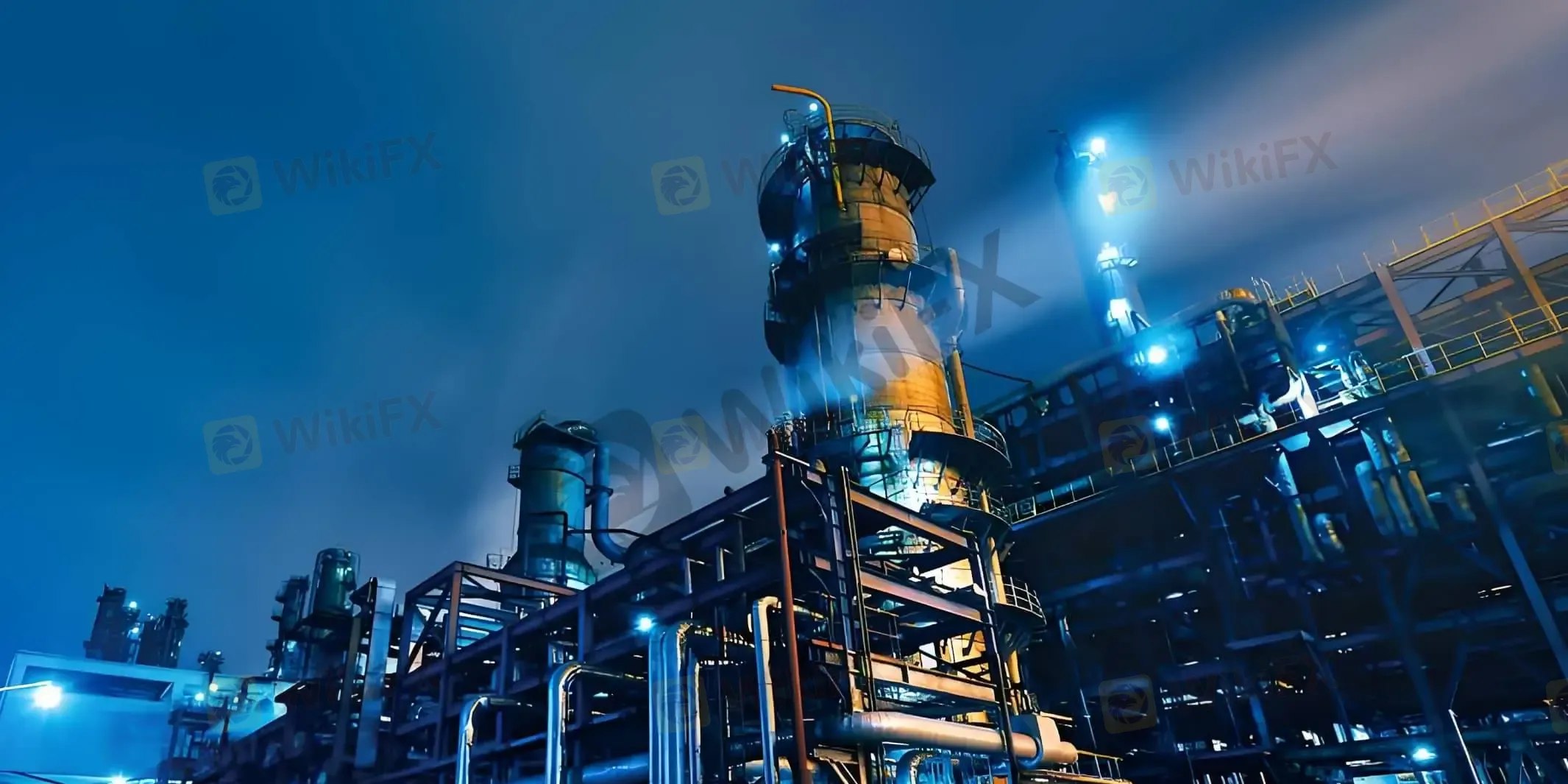
The latest data show that Germany‘s industrial output fell by 0.5% month-on-month in January, extending the 1.0% decline recorded in December last year. Two consecutive months of weakness have quickly erased the brief signs of recovery that had previously emerged, pushing industrial activity back to subdued levels. For an economy that relies heavily on manufacturing, such performance inevitably raises renewed concerns about the competitiveness of Germany’s industrial sector.
Manufacturing orders in Germany plunged by 11.1% month-on-month in January, wiping out the strong 6.4% increase recorded in the previous month. Since orders serve as a key leading indicator for industrial production, the sharp drop is widely viewed as a signal that production activity may remain under pressure in the coming months. A closer look at the breakdown shows a significant contraction in domestic demand, with domestic orders falling 16.2% from the previous month, while foreign orders declined by 7.1%, indicating a simultaneous cooling in both internal and external demand.
However, when viewed over a longer time frame, the order situation is not entirely pessimistic. Decembers order data had been boosted by several large-scale projects, temporarily pushing orders to their highest level since early 2022. If the impact of these major contracts is excluded, total orders in January declined by only 0.4% on a monthly basis. The statistics office also noted that between November last year and January this year, total new orders still increased by about 7.4%, suggesting that the order structure retains some underlying support, although short-term fluctuations remain pronounced.
From an industry perspective, metal manufacturing, pharmaceuticals, and electrical equipment production all showed notable contractions. These sectors occupy an important position within Germanys industrial system, so simultaneous weakness across them tends to amplify the drag on overall industrial activity. At the same time, energy-intensive industries continue to face severe pressure, with output in some sectors falling to levels not seen in more than a decade. Persistently high energy costs have already forced some companies to shut down inefficient capacity, indicating that structural adjustments are underway within the industrial landscape.
In fact, Germanys manufacturing sector has been struggling through several years of stagnation. Weak external demand, rising energy costs, and ongoing supply chain adjustments have all exerted sustained pressure on industrial activity. In an effort to break the stalemate, the German government launched a large-scale investment program last year, focusing on defense and infrastructure, with the aim of stimulating the broader industrial chain through public spending. Toward the end of last year, as these programs gradually advanced, manufacturing orders once showed a notable rebound, briefly raising hopes of a recovery.
However, fiscal stimulus alone is unlikely to fundamentally change the long-term trajectory of Germanys industrial sector. Investment projects often take time to materialize, while companies continue to face pressure from energy costs, labor expenses, and global competition, keeping expansion plans relatively cautious. Even though demand related to defense industries has increased significantly, this growth is unlikely to quickly spread across the entire industrial system, meaning a comprehensive recovery will still require deeper structural reforms.
Meanwhile, ongoing tensions in the Middle East have pushed energy prices higher, a development that is particularly sensitive for Europe‘s energy-import-dependent industrial system. Although natural gas prices have not surged to the levels seen in previous years, renewed increases in energy costs could still squeeze corporate profit margins and slow investment plans. From FXTRADING’s perspective, the volatility in German industry reflects not only cyclical demand changes but also deeper structural pressures facing European manufacturing in terms of energy costs, industrial structure, and global competition. If order recovery proves slower than expected, industrial activity could remain volatile over the coming quarters. For the broader European economy, the real turning point will depend on improvements in investment efficiency, stabilization in energy costs, and whether industrial upgrading can generate new engines of growth.
(For more insights into global macroeconomic trends and market developments, please follow FXTRADINGs official updates. This information is provided for reference only and does not constitute any form of investment advice.)
Disclaimer:
Le opinioni di questo articolo rappresentano solo le opinioni personali dell’autore e non costituiscono consulenza in materia di investimenti per questa piattaforma. La piattaforma non garantisce l’accuratezza, la completezza e la tempestività delle informazioni relative all’articolo, né è responsabile delle perdite causate dall’uso o dall’affidamento delle informazioni relative all’articolo.
WikiFX Trader
Rate Calc
USD

CNY
Tasso di cambio attuale:0
inserisci l'importo
USD
A disposizione
CNY
Calcolare 