Global Broker Regulation Inquiry App
About WikiFX
English
简体中文
繁體中文
English
Pусский
日本語
ภาษาไทย
Tiếng Việt
Bahasa Indonesia
Español
हिन्दी
Filippiiniläinen
Français
Deutsch
Português
Türkçe
한국어
العربية
اردو
SAXO , LMAX GROUP Broker Comparison
Do you want to know which is the better broker between SAXO and LMAX GROUP ?
In the table below, you can compare the features of SAXO , LMAX GROUP side by side to determine the best fit for your needs.
- Rating
- Basic Information
- Trading Env.
- Account Info
- Related News
- Relevant Exposures
- Rating
- Basic Information
- Trading Env.
- Account Info
- Related News
- Relevant Exposures
2 / 3 forex brokers comparison in total
Rating
Score
Regulatory Status
WikiFX Guarantee
WikiFX Survey
Risk Evaluation
Exposure
Basic Information
Est. Date
Regulatory License
MT4
MT5
Crypto
Deposit/Withdrawal Methods
Trading Env.
Trading Environment Rating
Execution Speed
Trading Speed Rating
Average Execution Speed
Minimum Execution Latency
Minimum Open Latency
Minimum Close Latency
Maximum Execution Latency
Maximum Open Latency
Maximum Close Latency
Slippage
Slippage Rating
Average Slippage
Max Slippage
Maximum Positive Slippage
Maximum Negative Slippage
Trading Cost
Trading Cost Rating
- Average Trading Cost
- (EURUSD)
- Average Trading Cost
- (XAUUSD)
Swap
Swap Rating
- Average Trading Cost
- (EURUSD)
- Average Trading Cost
- (XAUUSD)
Disconnection Instances
Disconnection Rating
Avg. Disconnection Frequency (/day)
Avg. Reconnection Time
Account Info
Accounts
Account Name
Trading Instruments
Minimum Deposit
Maximum Leverage
Typical Spread
Stop-Out Level
Spread Types
Minimum Trade Size
Crypto
Lock Position
Scalping
EA Trading
6.98
Regulated
Under guarantee
20+ years
FCA,FSA,SFC,AMF,CONSOB,MAS,ASIC
--
--
--
--
--
--
--
--
--
--
--
--
--
--
--
--
--
--
--
--
--
VIP,Platinum,Classic
--
USD 1,000,000
--
--
0.00
--
--
--
7.46
Regulated
Under guarantee
15-20 years
FCA,CYSEC
--
--
--
--
--
--
--
--
--
--
--
--
--
--
--
--
--
--
--
--
--
--
--
--
--
--
--
--
--
--
--
--
--
--
SAXO 、 LMAX GROUP BrokerRelated News
SAXO 、 LMAX GROUP BrokerRelevant Exposures



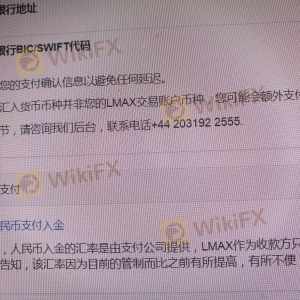

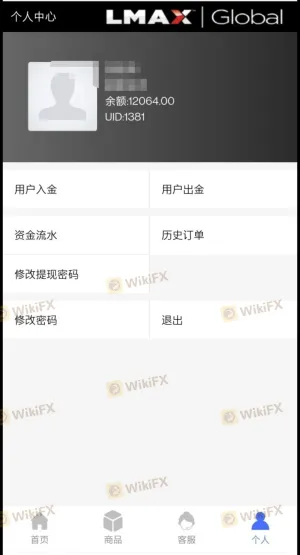
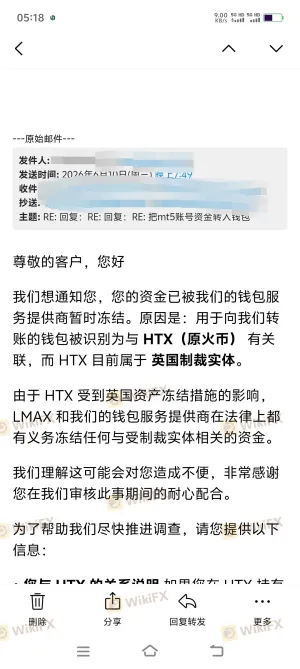
Which broker is more reliable?
To evaluate a broker's reliability and trustworthiness, consider the following four factors:
1.Forex broker introduction。
2.Do saxo and lmax-global have lower transaction costs?
3.Which broker is safer?
4.Which broker offers the best trading platform?
Based on these four factors, we can compare which is reliable. We have broken down the reasons as follows:
Forex broker introduction
saxo
| Quick Saxo Review Summary | |
| Founded | 1992 |
| Headquarters | Hellerup, Denmark |
| Regulation | ASIC, FCA, FSA, SFC, AMF, CONSOB, FINMA, MAS |
| Market Instruments | Stocks, ETFs, bonds, mutual funds, forex, futures, forex options, listed options |
| Demo Account | ✅(20 days with $100,000 virtual fund) |
| Account Type | Classic, Platinum, VIP |
| Min Deposit | $0 |
| Leverage | 1:100 |
| Spread | From 0.4 pips (forex) |
| Trading Platform | SaxoTraderGo, SaxoTraderPRO, SaxoInvestor |
| Payment Methods | Online Banking, Electronic Direct Debit Authorization (eDDA), Bank Transfer (Counter services or ATM) |
| Customer Support | 24/5 - phone, email |
| Regional Restrictions | The United States and Japan |
Saxo Information
Saxo is a Danish investment bank founded in 1992. It provides trading in stocks, ETFs, bonds, mutual funds, forex, futures, forex options, and listed options its proprietary trading platforms - SaxoTraderGo, SaxoTraderPRO, and SaxoInvestor. The bank operates in over 100 countries and has offices in major financial centers worldwide, including Copenhagen, London, Singapore, and Tokyo. Saxo Bank is regulated by several financial authorities, including ASIC (Australia), FCA (UK), FSA (Japan), SFC (Hong Kong), AMF (France), CONSOB (Italy), FINMA (Switzerland), and MAS (Singapore). The bank also has a banking license and is a member of the Danish guarantee fund for depositors and investors.
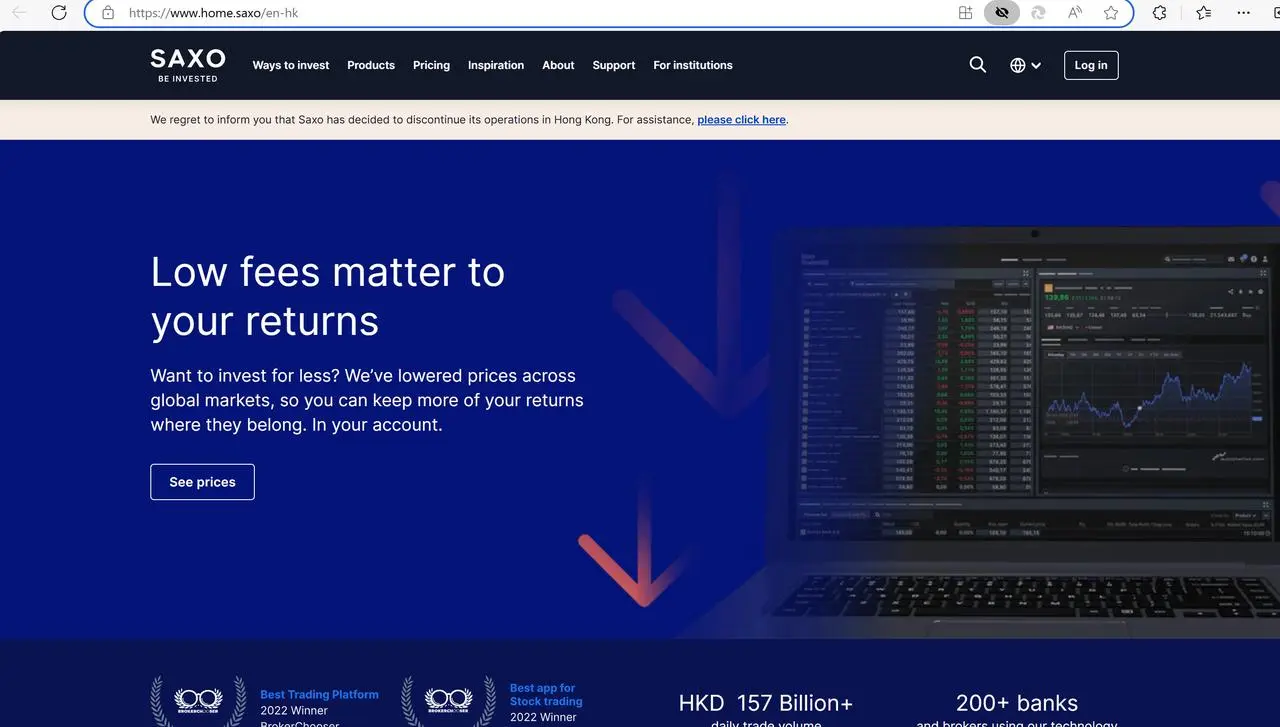
Pros & Cons
| Pros | Cons |
| • Wide range of financial instruments available | • US and Japan clients are not accepted |
| • No minimum deposit requirement | • No direct contact channels |
| • User-friendly trading platforms | |
| • Advanced trading tools and research | |
| • Regulated by top-tier financial authorities | |
| • 20 days' demo accounts with $100,000 virtual fund |
Is Saxo Legit?
Saxo has several entities that operate in multiple jurisdictions, heavily and globally regulated to provide a reassuring trading environment.
| Regulated Country | Regulated Entity | Regulated by | License Type | License Number |
 | SAXO CAPITAL MARKETS (AUSTRALIA) LIMITED | ASIC | Market Making (MM) | 280372 |
 | Saxo Capital Markets UK Limited | FCA | Market Making (MM) | 551422 |
 | Saxo Bank Securities Ltd. | FSA | Retail Forex License | 関東財務局長(金商)第239号 |
 | Saxo Capital Markets HK Limited 盛寶金融(香港)有限公司 | SFC | Dealing in futures contracts & Leveraged foreign exchange trading | AVD061 |
 | Saxo bank A/S | AMF | Retail Forex License | 71081 |
 | BG SAXO SIM SPA | CONSOB | Market Making (MM) | 296 |
 | SAXO BANK (SCHWEIZ) AG | FINMA | Financial Service | Unreleased |
 | SAXO CAPITAL MARKETS PTE. LTD. | MAS | Retail Forex License | Unreleased |
How are you protected?
Saxo is a regulated broker, with licenses from multiple reputable regulatory authorities and a long-standing history of providing financial services. The broker takes extensive measures to protect client funds, including segregating them from the company's assets and offering negative balance protection.
Additionally, Saxo offers various security features, such as two-factor authentication and encryption, to ensure secure trading.
More details can be found in the table below:
| Security Measures | Detail |
| Regulation | ASIC, FCA, FSA, SFC, AMF, CONSOB, FINMA, MAS |
| Segregated Accounts | Client funds are held in segregated bank accounts to protect them in case of insolvency |
| Two-Factor Authentication | As an extra layer of security for client accounts |
| SSL Encryption | The Saxo website and platform are secured with SSL encryption to protect user data |
| Investor Compensation Scheme | A member of the Danish Investor Compensation Scheme, which provides additional protection to clients in case of insolvency |
It's important to note that while these measures provide some level of protection for clients, there is always some level of risk involved in trading financial instruments, and clients should always be aware of the risks before making any trades.
Our Conclusion on Saxo Reliability:
Based on the information available, Saxo is a reliable and trustworthy broker. It is regulated by reputable authorities, has been in operation for several years.
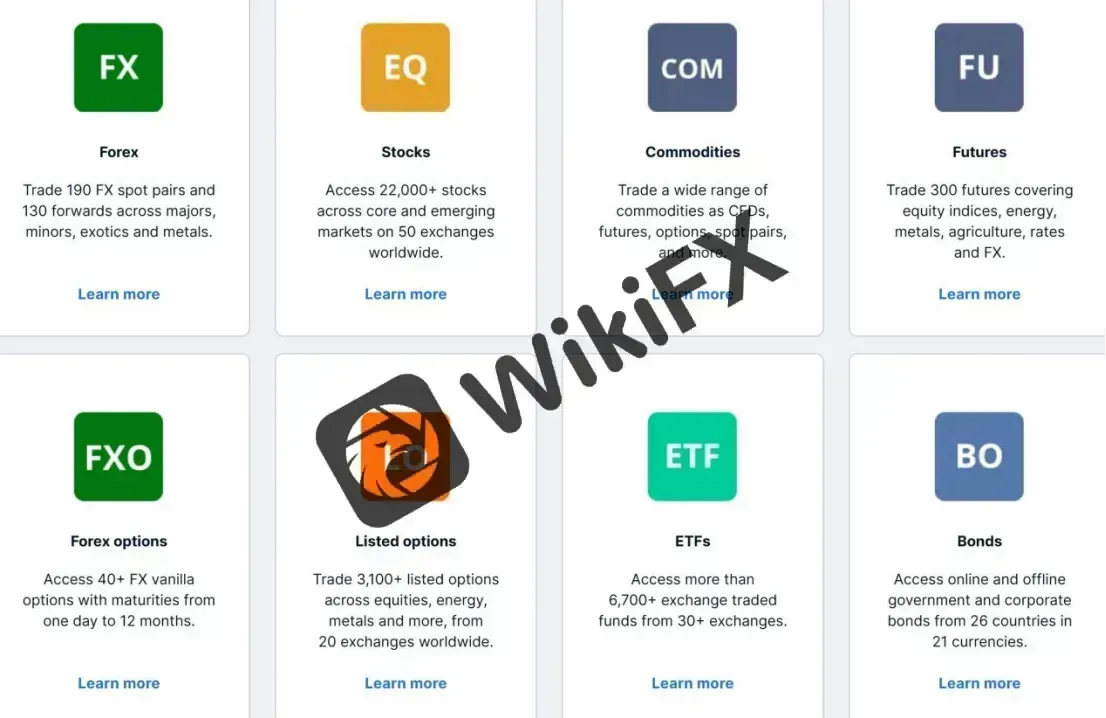
Market Instruments
Saxo offers a wide range of trading instruments across multiple asset classes, including
- Forex: More than 180 currency pairs, including majors, minors, and exotics.
- Stocks: Over 40,000 stocks from 36 global exchanges, including NYSE, NASDAQ, LSE, and more.
- Futures: Over 200 futures and options across a variety of asset classes such as commodities, indices, and bonds.
- Options: A wide range of options on stocks, indices, and futures.
- Bonds: Trade a wide range of government and corporate bonds, including sovereign bonds from developed and emerging markets.
- ETFs and CFDs: Access to over 3,000 ETFs and CFDs on indices, commodities, and stocks.
| Asset Class | Supported |
| Stocks | ✔ |
| ETFs | ✔ |
| Bonds | ✔ |
| Mutual funds | ✔ |
| Forex | ✔ |
| Futures | ✔ |
| Forex options | ✔ |
| Listed options | ✔ |
| Commodities | ❌ |
| Indices | ❌ |
| Cryptocurrencies | ❌ |
| ETFs | ❌ |
Account Type
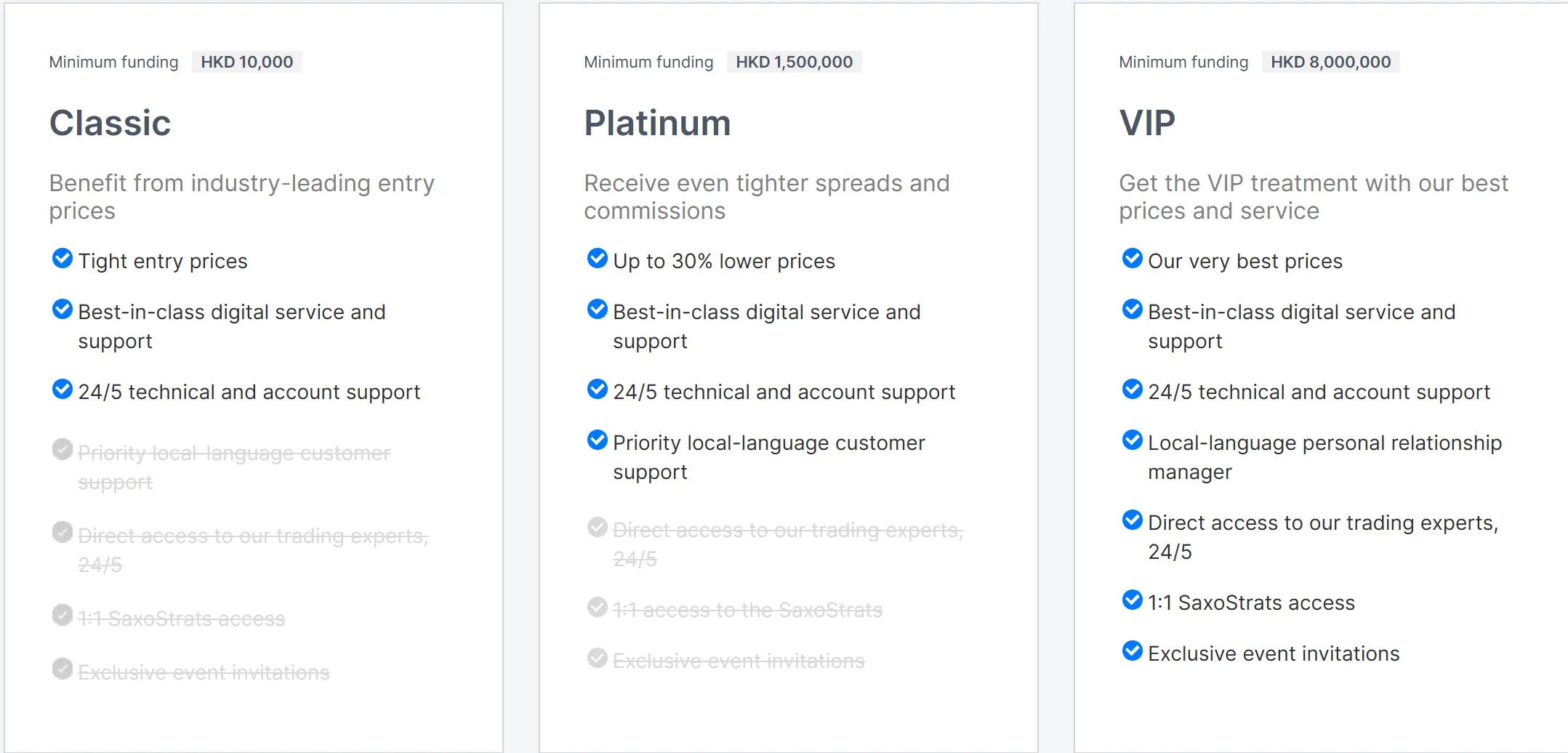
Saxo offers a range of account types designed to suit the different needs of its clients. The account types offered by Saxo are:
- Individual Account:
| Individual Account Type | Min Deposit |
| Classic | HKD 10,000 |
| Platinum | HKD 1,500,000 |
| VIP | HKD 8,000,000 |
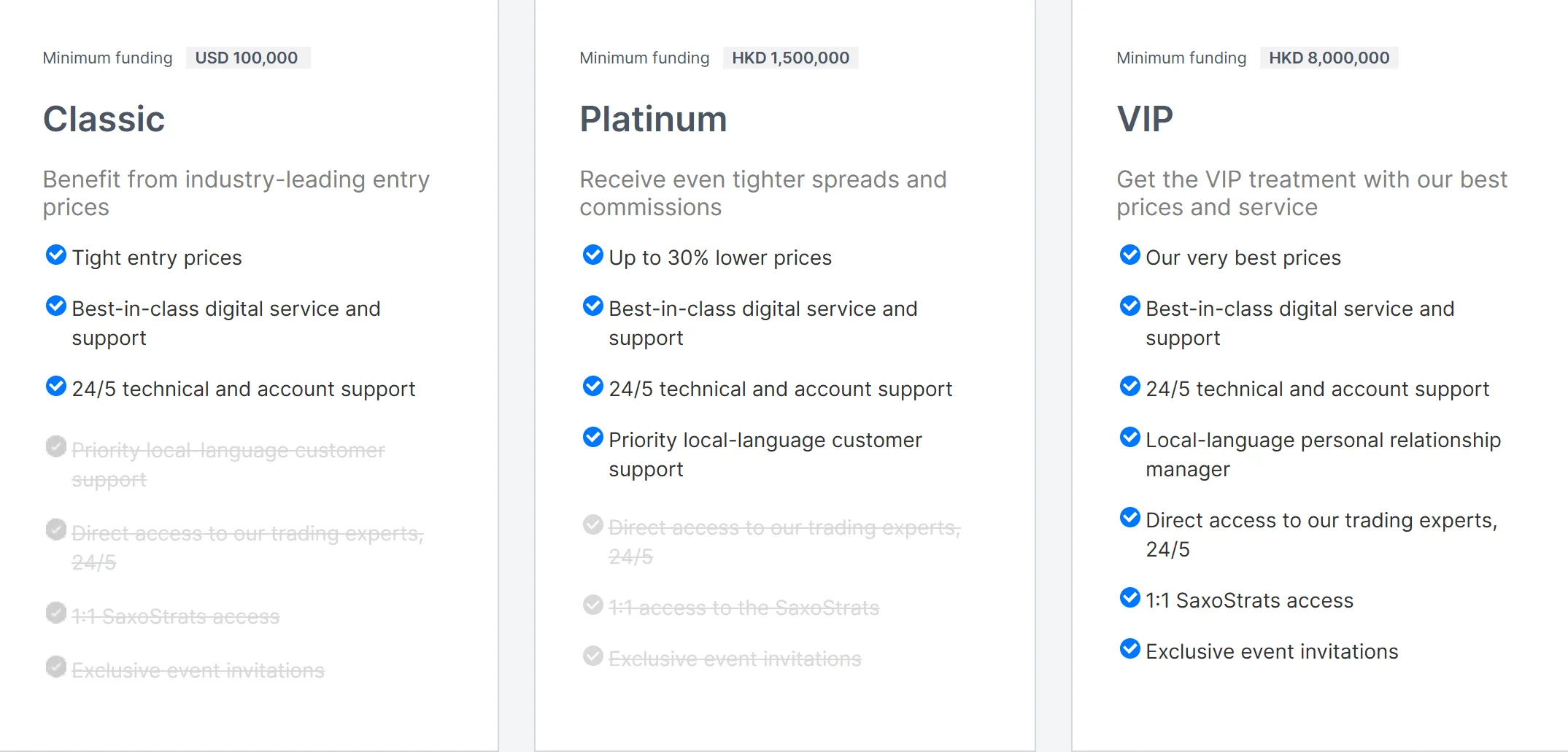
- Corporate Account: An account for companies, partnerships, and other legal entities.
| Corporate Account Type | Min Deposit |
| Classic | USD 100,000 |
| Platinum | HKD 1,500,000 |
| VIP | HKD 8,000,000 |
- Professional Account: An account specifically for professional traders.
Each account type has its own unique features and benefits, such as lower pricing, higher leverage, and dedicated account managers. Saxo also offers a free demo account (20 days with $100,000 virtual fund) for clients to practice trading before committing to a live account.
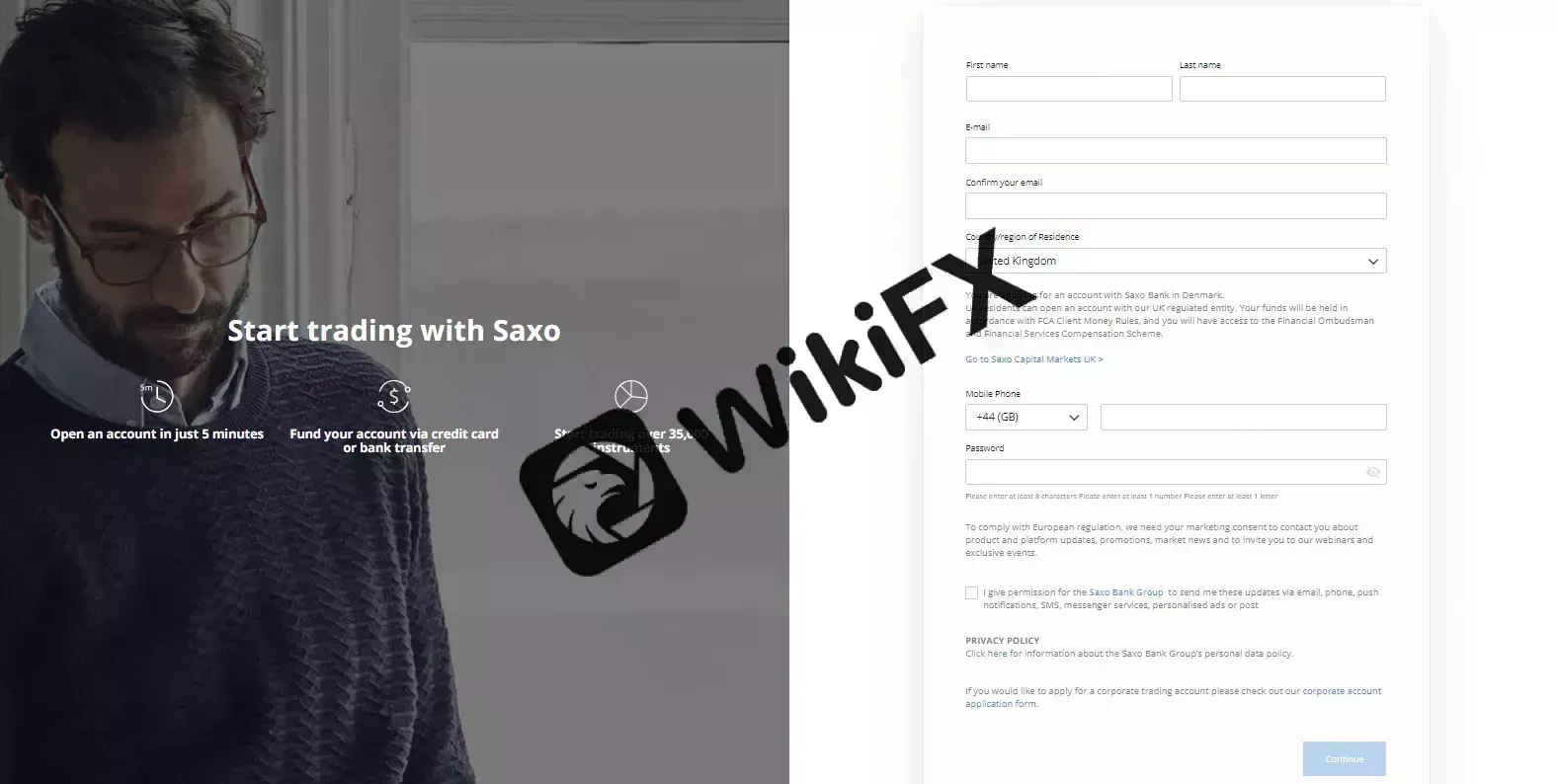
How to Open an Account with Saxo?
It takes only about five minutes and a short online form to open an account. Clients will need to submit the standard verification documents required by KYC and AML rules, but the procedure should be quick and easy, and they will have access to their account in minutes.
Leverage
Saxo offers leverage up to 1:100 for forex trading. Professional clients are entitled to leverage of 1:40 for the primary index, 1:33 for the secondary index, 1:33 for gold, 1:10 for equities, and 1:25 for commodities. Retail clients are entitled to leverage of 1:20 for the primary index, 1:10 for the secondary index, 1:20 for gold, 1:5 for equities and 1:10 for commodities.
However, the maximum leverage may vary depending on the instrument being traded and the client's location. It is important to note that trading with high leverage carries a higher level of risk, and traders should always exercise caution and use risk management strategies.
Spreads & Commissions
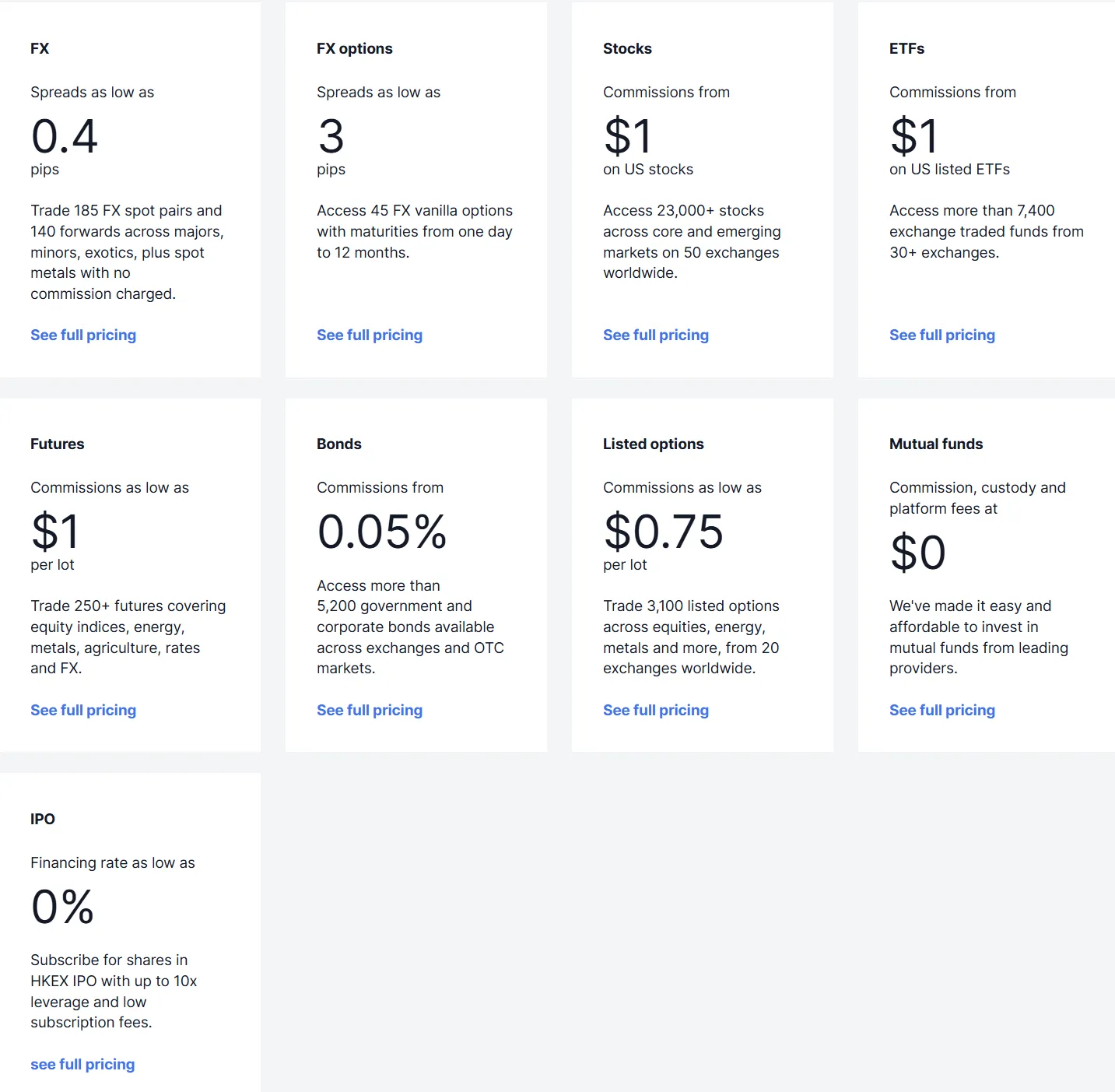
Saxo offers variable spreads, which means that the spreads can change depending on market conditions. The typical minimum spreads for popular instruments are as follows:
EUR/USD: 0.4 pips
USD/JPY: 0.6 pips
GBP/USD: 0.9 pips
AUD/USD: 0.6 pips
USD/CHF: 1.2 pips
USD/CAD: 1.5 pips
Saxo also charges commissions on some products, including stocks, ETFs, and futures. The commission fees vary depending on the specific market and the size of the trade. Commissions start from $1 on US stocks, US listed ETFs and futures. Bonds commissions start at 0.05%, listed options commissions start as low as $0.75 per contract, and mutual funds commissions are $0 for custody and platform fees.
Trading Platforms
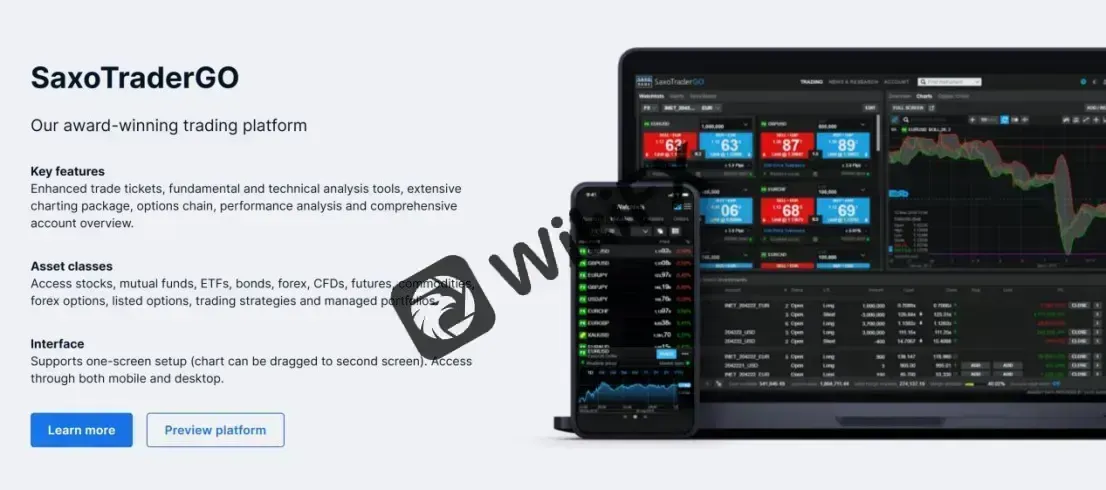
Saxo offers its own proprietary trading platform called SaxoTraderGO. It is a web-based platform that can be accessed from any device with an internet connection. In addition, Saxo also offers SaxoTraderPRO, a desktop-based trading platform that is designed for advanced traders who require additional functionality.
SaxoTraderGO is highly customizable, allowing traders to arrange the interface to suit their preferences. It provides access to a wide range of trading tools and features, including charting tools, technical analysis indicators, and news feeds. The platform also includes a comprehensive range of order types, including market, limit, stop, and trailing stop orders.
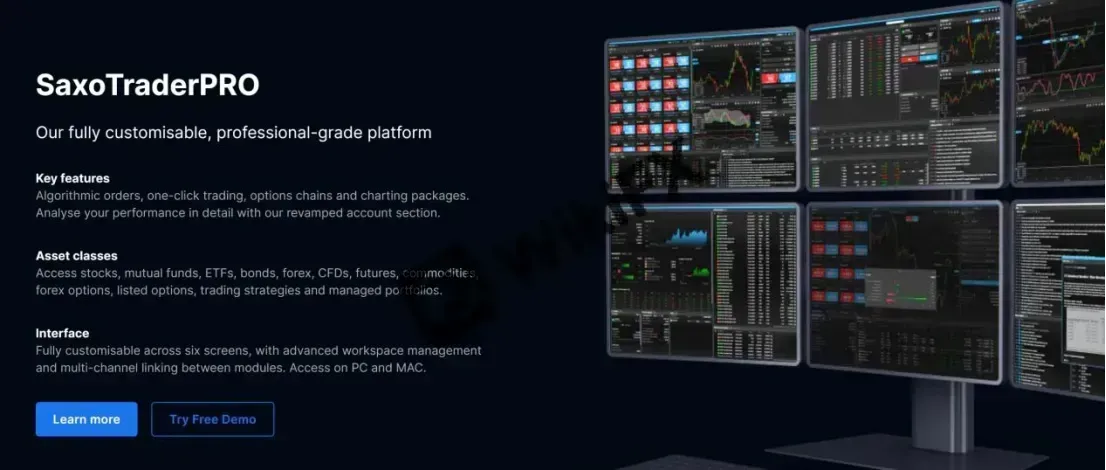
SaxoTraderPRO is a professional-grade trading platform that offers advanced trading tools and features. It is designed for active traders and includes a range of tools that allow traders to monitor multiple markets and instruments simultaneously. The platform also includes advanced charting tools and a range of order types, including conditional orders and algorithmic trading capabilities.
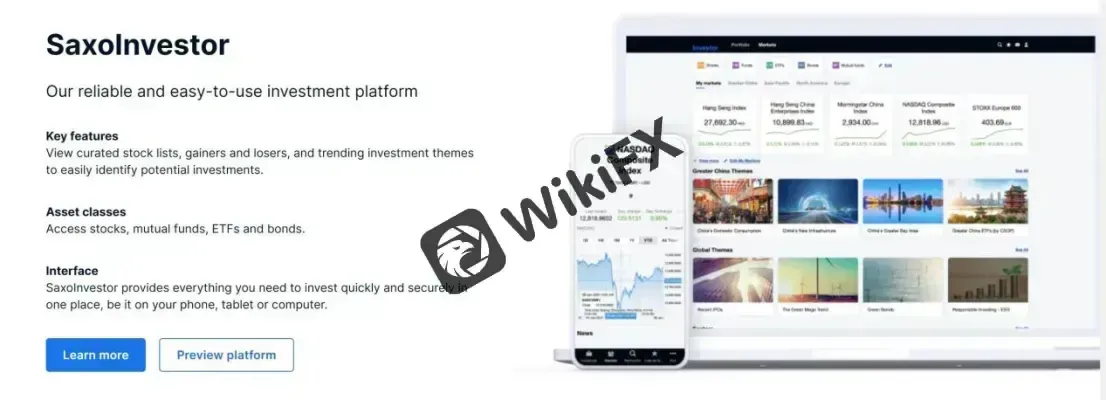
Saxo also offers SaxoInvestor, which is a user-friendly trading platform suitable for beginner investors who are interested in a wide range of asset classes. It provides a simple and intuitive interface with basic research tools and features, making it easy for investors to buy and sell stocks, ETFs, bonds, and mutual funds. However, advanced traders may find the platform's lack of advanced tools and customization options limiting.
Deposits & Withdrawals
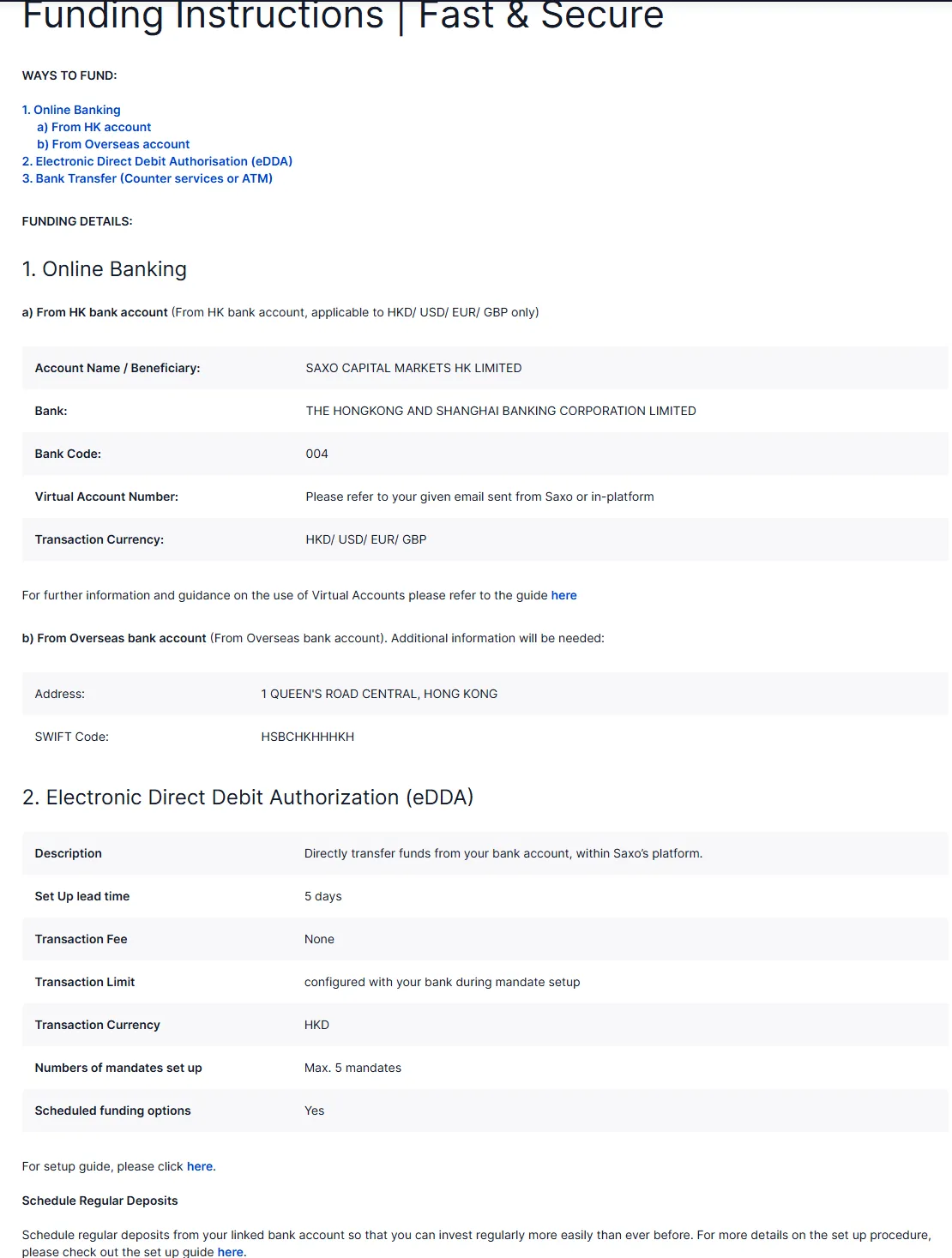
Saxo Bank supports several deposit and withdrawal methods, including Online Banking, Electronic Direct Debit Authorization (eDDA), and Bank Transfer (Counter services or ATM).
Conclusion
Overall, Saxo is a multi-asset broker that offers a comprehensive suite of trading tools and services to help traders achieve their investment goals. However, potential clients should carefully consider the fees before opening an account. Also, dont forget check their user reviews on the Internet.
Frequently Asked Questions (FAQs)
Is Saxo legit?
Yes. It is regulated by ASIC (Australia), FCA (UK), FSA (Japan), SFC (Hong Kong), AMF (France), CONSOB (Italy), FINMA (Switzerland), and MAS (Singapore).
Does Saxo offer demo accounts?
Yes.
Does Saxo offer the industry-standard MT4 & MT5?
No. Instead, it offers SaxoTraderGo, SaxoTraderPRO, and SaxoInvestor.
What is the minimum deposit for Saxo?
There is no minimum initial deposit to open an account.
Is Saxo a good broker for beginners?
Yes. It is a good choice for beginners because it is regulated well and offers various trading instruments with competitive trading conditions. Also, it offers demo accounts that allow traders to practice trading without risking any real money.
Risk Warning
Online trading involves significant risk, and you may lose all of your invested capital. It is not suitable for all traders or investors. Please ensure that you understand the risks involved and note that the information contained in this article is for general information purposes only.
lmax-global
| LMAX Group Review Summary in 10 Points | |
| Founded | 2010 |
| Headquarters | London, UK |
| Regulation | FCA, CYSEC |
| Market Instruments | Forex, precious metals, stock indices, commodities, cryptocurrencies |
| Demo Account | Available |
| Leverage | 1:100 (forex), 1:50 (metals and commodities) |
| EUR/USD Spread | 0.2 pips |
| Trading Platforms | LMAX Global, MetaTrader4 |
| Minimum deposit | $1,000 |
| Customer Support | 24/7 phone, email, and live chat |
What is LMAX Group?
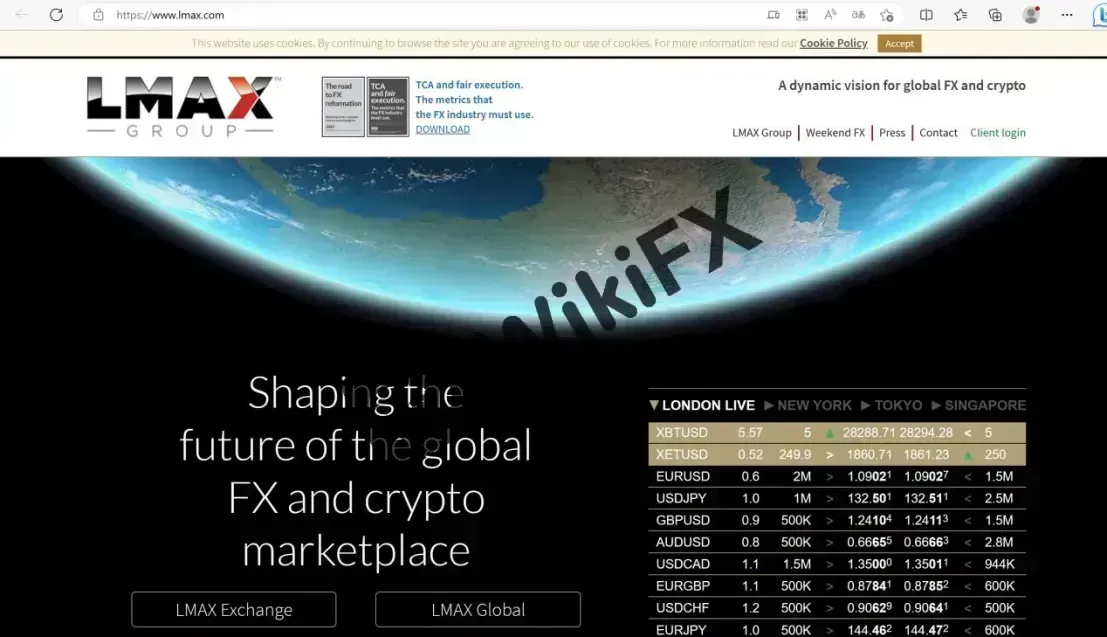
LMAX Group is a UK-based multilateral trading facility (MTF) that offers forex and cryptocurrency trading to retail and institutional clients. It was founded in 2010 and is regulated by the Financial Conduct Authority (FCA) and Cyprus Securities and Exchange Commission (CYSEC). LMAX is known for its transparent and fair execution model, as well as its low latency and high-speed trading technology. The company's headquarters are located in London, and it has additional offices in New York, Tokyo, and Hong Kong.
What Type of Broker is LMAX Group?
LMAX is an electronic communication network (ECN) broker that operates a multilateral trading facility (MTF) for forex and cryptocurrency trading. It is a pure agency broker, which means it does not take positions against its clients and earns revenue solely from commissions and fees. LMAX provides institutional and retail traders with deep liquidity, fast execution, and transparent pricing through its proprietary trading platform, LMAX Global.
Pros & Cons
LMAX has several advantages, such as being a regulated broker, offering transparent and direct market access, providing a range of trading instruments, and offering a professional trading platform.
On the other hand, LMAX has some drawbacks, including limited account types and high minimum deposit requirements.
| Pros | Cons |
| • Regulated by FCA and CySEC | • High minimum deposit requirement |
| • Offers DMA (Direct Market Access) | •High commission fees |
| • Low latency and fast trade execution | • No social trading or copy trading features |
| • Transparent pricing and deep liquidity | |
| • Advanced trading technology and tools | |
| • Professional and institutional grade services | |
| • Segregated client funds and investor protection |
Is LMAX Group Safe or Scam?
As a regulated broker by reputable financial authorities such as FCA and CySEC, LMAX is considered a reliable broker. The company also prioritizes the security of its clients' funds by keeping them in segregated accounts and offering negative balance protection.
| Protection Measures | Detail |
| Regulation | FCA, CySEC |
| Segregated client funds | To protect them in case of any financial difficulties or insolvency |
| Financial Services Compensation Scheme (FSCS) | A member of the FSCS, which provides eligible clients with protection up to £85,000 per person in the event of the broker's insolvency |
| Negative balance protection | Ensures that clients can never lose more than their account balance |
| Two-factor authentication | Adds an extra layer of security to clients' accounts |
| SSL encryption | To protect clients' personal and financial information from unauthorized access |
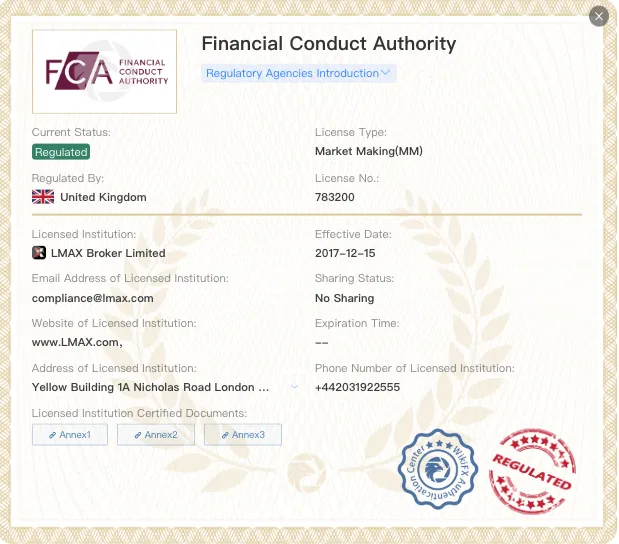
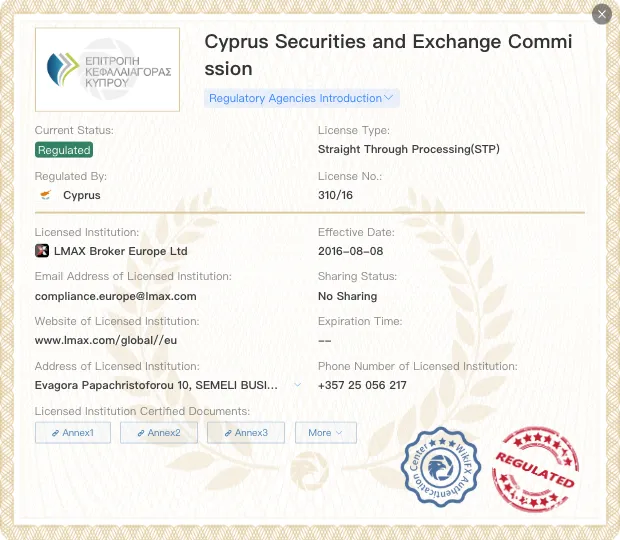
LMAX is a highly regulated and reputable broker that takes the security of its clients' funds seriously. It is regulated by the FCA and CYSEC, and it implements various measures to ensure the safety of its clients' funds, such as holding them in segregated accounts and offering negative balance protection. Overall, LMAX appears to be a reliable and trustworthy broker.
Market Instruments
LMAX provides access to a range of financial instruments across various asset classes, including:
- Forex: Major, minor, and exotic currency pairs
- Indices: CFDs on major global indices, including UK100, GER30, US30, and more
- Commodities: Precious metals such as gold and silver, as well as energy products like crude oil and natural gas
- Cryptocurrencies: CFDs on Bitcoin, Ethereum, Litecoin, and Ripple
- It is important to note that the range of trading instruments may vary depending on the specific entity of LMAX and the jurisdiction in which it operates.
Accounts
LMAX offers different account types, each with different features and benefits:
- LMAX Global Account: This account is designed for institutions, hedge funds, asset managers, and professional traders. It offers access to the LMAX Global trading platform, deep liquidity, and low latency execution.
- LMAX Professional Account: This account is designed for experienced traders and offers access to the LMAX Exchange central limit order book, low latency execution, and competitive pricing.
- LMAX Prime Account: This account is designed for brokers, banks, and other financial institutions that want to access LMAX Exchange liquidity and offer it to their clients. It offers deep liquidity, low latency execution, and access to a range of trading tools and services.
- LMAX Interbank Account: This account is designed for banks and other financial institutions that want to access LMAX Exchange liquidity and offer it to their clients. It offers deep liquidity, low latency execution, and access to a range of trading tools and services.
All of these accounts have different minimum deposit requirements and fee structures.
Leverage
The maximum leverage offered by LMAX varies based on the account type and the asset being traded. For example, the maximum leverage for forex trading is up to 1:100, while for metals and commodities, it is up to 1:50.
It's important to note that leverage can increase both potential profits and losses, so it should be used with caution.
Spreads & Commissions
LMAX offers a variable spread on EUR/USD, which can start from as low as 0.2 pips during peak trading hours. However, the average spread is usually around 0.5-1 pip. It's worth noting that the spread can widen during periods of low liquidity or high market volatility.
The commission fee varies depending on the account type and the trading volume of the client. Here is a breakdown of the commission fees for LMAX:
LMAX Global: The commission for forex pairs ranges from $2.5 to $4.5 per $100,000 traded, depending on the trading volume. For indices, the commission ranges from $1.25 to $5 per lot traded, depending on the instrument and the trading volume.
LMAX Professional: The commission for forex pairs ranges from $2 to $3 per $100,000 traded, depending on the trading volume. For indices, the commission ranges from $1 to $3 per lot traded, depending on the instrument and the trading volume.
Below is a comparison table about spreads and commissions charged by different brokers:
| Broker | EUR/USD Spread | Commission |
| LMAX | 0.2 pips | $2-$4.5 per lot/trade |
| IG | 0.6 pips | None |
| Saxo Bank | 0.9 pips | None |
| CMC Markets | 0.7 pips | None |
| Admiral Markets | 0.5 pips | $6 per lot/trade |
| Pepperstone | 0.16 pips | $3.76 per lot/trade |
Note that the above information may vary depending on the account type, trading platform, and other factors. It's always a good idea to check with the broker directly for the most up-to-date and accurate information.
Trading Platforms
LMAX offers its proprietary trading platform called LMAX Global, which is a web-based platform accessible from any device with an internet connection. It also offers connectivity through industry-standard APIs, allowing clients to connect directly to LMAX Global's liquidity pool through third-party platforms.
Additionally, LMAX offers the MetaTrader 4 platform for traders who prefer using a familiar interface.
See the trading platform comparison table below:
| Broker | Trading Platforms |
| LMAX | LMAX Global, MT4 |
| IG | IG Trading, MT4 |
| Saxo Bank | SaxoTraderGO, SaxoTraderPRO, SaxoInvestor, MT4 |
| CMC Markets | MT4, proprietary mobile trading platform |
| Admiral Markets | MT4, MT5, proprietary Supreme platform |
| Pepperstone | MT4, MT5, cTrader |
Deposits & Withdrawals
LMAX offers a variety of deposit and withdrawal methods, including:
Payment Options:
- Bank Wire Transfer
- Debit/Credit Cards (Visa and Mastercard)
- Skrill
- Neteller
LMAX does not charge any deposit or withdrawal fees. However, fees may be charged by the payment provider or bank involved in the transaction.
LMAX Group Money Withdrawal
To withdraw funds from LMAX, you need to follow these steps:
Step 1: Log in to your LMAX account and go to the “My Account” section.
Step 2: Click on the “Withdraw Funds” button.
Step 3: Select the account you want to withdraw from and enter the amount you wish to withdraw.
Step 4: Choose your preferred withdrawal method and fill out the necessary information.
Step 5: Submit your withdrawal request.
LMAX processes withdrawal requests within one business day, and the time it takes for the funds to reach your account will depend on the withdrawal method you choose.
Fees
LMAX charges various fees for trading and account maintenance. Here is an overview of some of the fees charged by LMAX:
- Swap Fees: LMAX charges a swap fee for positions held overnight. The swap fee is based on the interest rate differential between the two currencies of the trading pair.
- Deposit/Withdrawal Fees: LMAX does not charge any deposit or withdrawal fees. However, fees may be charged by the payment provider or bank involved in the transaction.
- Inactivity Fee: LMAX does not charge any inactivity fee.
| Broker | Deposit Fee | Withdrawal Fee | Inactivity Fee |
| LMAX | Free | Free | Free |
| IG | Free | Free (over $100) | $18/month after 2 years |
| Saxo Bank | Free | Free | €100/year after 2 years |
| CMC Markets | Free | Free | £10/month after 12 months |
| Admiral Markets | Free (except bank transfer) | Free (over $150) | Free |
| Pepperstone | Free (except bank transfer) | Free (over $100) | Free |
Customer Service
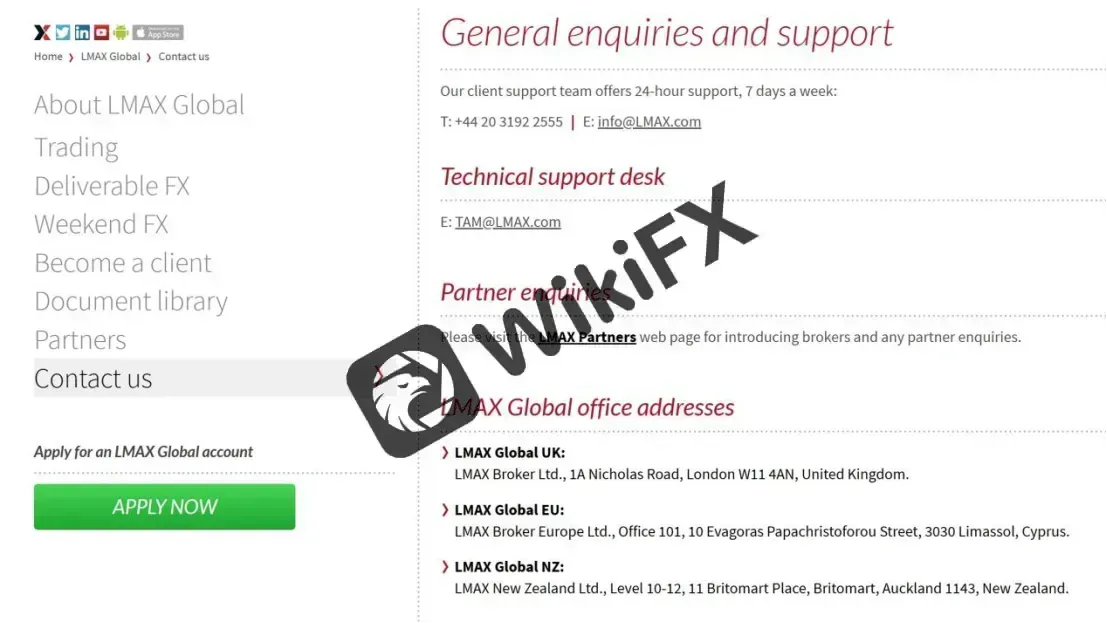
LMAX provides 24/7 customer service through phone, email, and live chat. You can also follow LMAX on some social networks such as LinkedIn, Facebook and YouTube.
Conclusion
In conclusion, LMAX is a highly-regulated broker that offers institutional-level trading services to retail clients. The broker offers a wide range of trading instruments and a powerful trading platform. LMAX's low-latency trading environment, deep liquidity pool, and transparent pricing model make it an ideal choice for traders who demand high-quality execution and a fair trading environment.
Do saxo and lmax-global have lower transaction costs?
To compare transaction costs across different brokers, our experts analyze the transaction-specific fees (such as spreads) and non-trading fees (such as inactivity fees and payment costs).
To get a comprehensive understanding of how cheap or expensive saxo and lmax-global are, we first considered common fees for standard accounts. On saxo, the average spread for the EUR/USD currency pair is -- pips, while on lmax-global the spread is --.
Which broker between saxo, lmax-global is safer?
To determine the safety of our top brokers, our experts will consider many factors. This includes which licenses the broker holds and the credibility of these licenses. We also consider the history of brokers, because long-term brokers are usually more reliable and trustworthy than new brokers.
saxo is regulated by FCA,FSA,SFC,AMF,CONSOB,MAS,ASIC. lmax-global is regulated by FCA,CYSEC.
Which broker between saxo, lmax-global provides better trading platform?
When our experts review brokers, they will open their own accounts and trade through the broker's trading platform. This enables them to comprehensively evaluate the quality, ease of use, and function of the platform.
saxo provides the VIP,Platinum,Classic platform with products like --; lmax-global offers the -- platform featuring assets including --.