
天眼評分
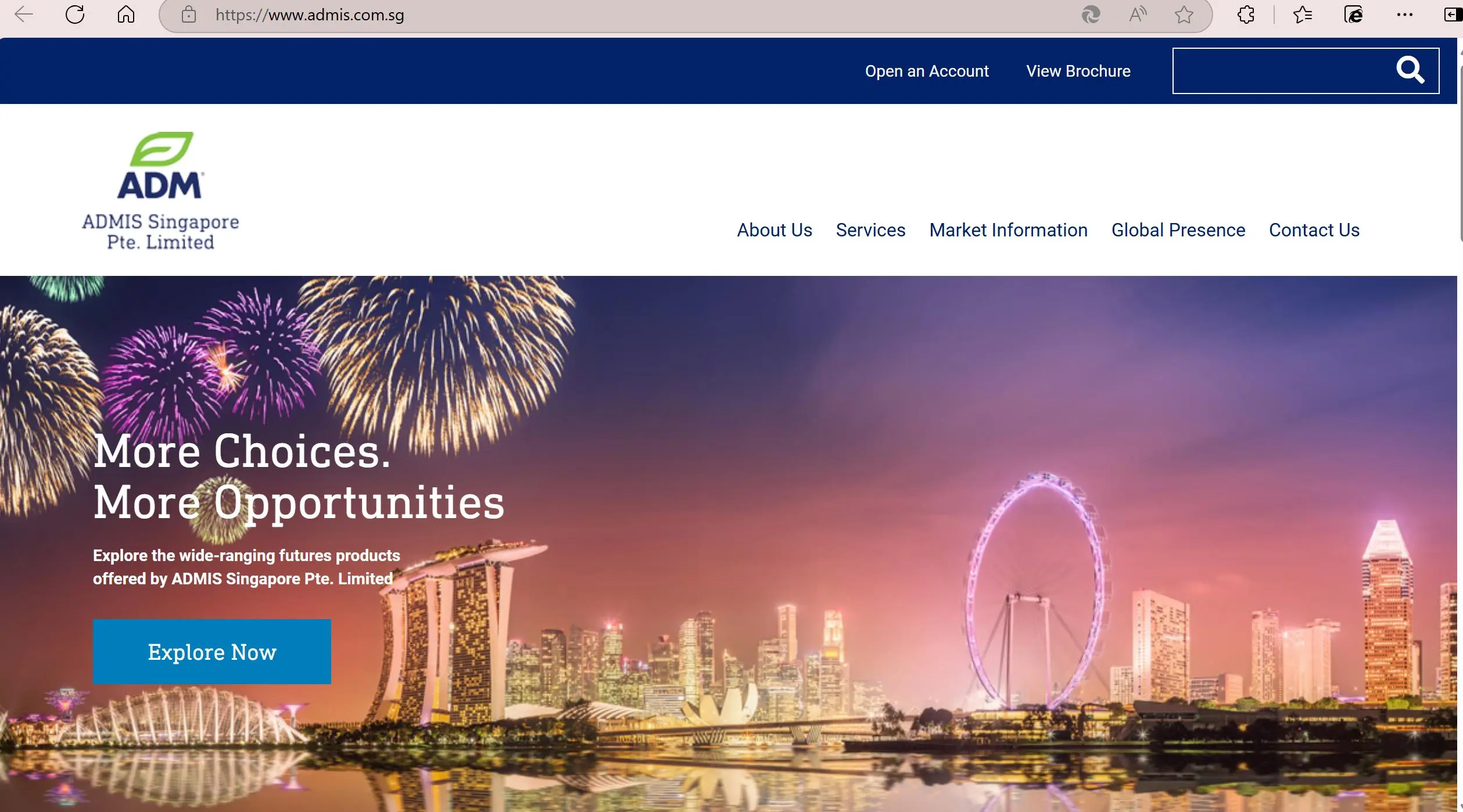
ADM · 亞達盟
http://www.admis.com.hk/zh-hk/home
官方網址
評分指數
影響力
影響力
B
影響力指數 NO.1
聯繫方式
外匯監管 2
單核
1G
40G
1M*ADSL
- 該交易商WikiFX實勘差評已達到4條,請注意風險,謹防受害!
瀏覽ADM 亞達盟 的用戶還瀏覽了..
STARTRADER
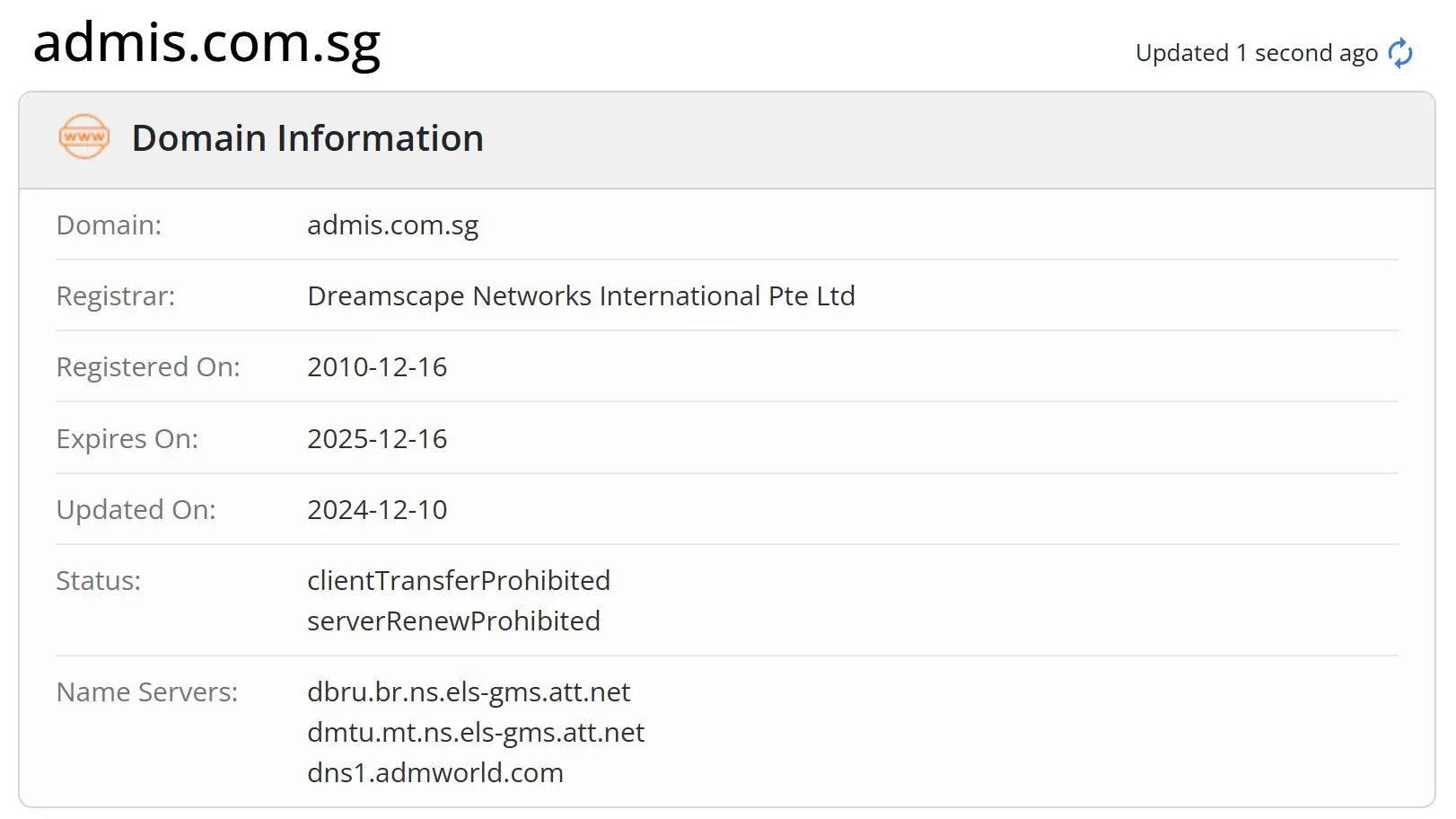
官網鑒定
admis.com
75.2.20.154admisi.com
75.2.20.154admis.com.sg
99.83.237.141admis.com.hk
54.182.1.12
關係族譜
相關企業
企業簡介
| 亞達盟 評論摘要 | |
| 成立年份 | 2010 |
| 註冊國家/地區 | 香港 |
| 監管機構 | SFC |
| 市場工具 | 穀物、金屬、軟商品和外匯期貨 |
| 模擬帳戶 | / |
| 槓桿 | / |
| 交易平台 | CQG、TT |
| 最低存款 | / |
| 客戶支援 | 電話:+65-6632-3000 |
| 電郵:sales@admis.com.sg | |
| 地址:新加坡188024維多利亞街Bugis Junction Towers#11-06 | |
亞達盟於2010年在香港註冊,是一家專門從事期貨交易的經紀商。它使用CQG和TT作為其交易平台,並受SFC監管。然而,它並未透露有關帳戶和交易詳情的太多信息。
優點和缺點
| 優點 | 缺點 |
| 操作時間長 | 沒有實體辦公室 |
| 收費結構不清晰 | |
| 沒有MT4或MT5 | |
| 付款方式未知 |
亞達盟是否合法?
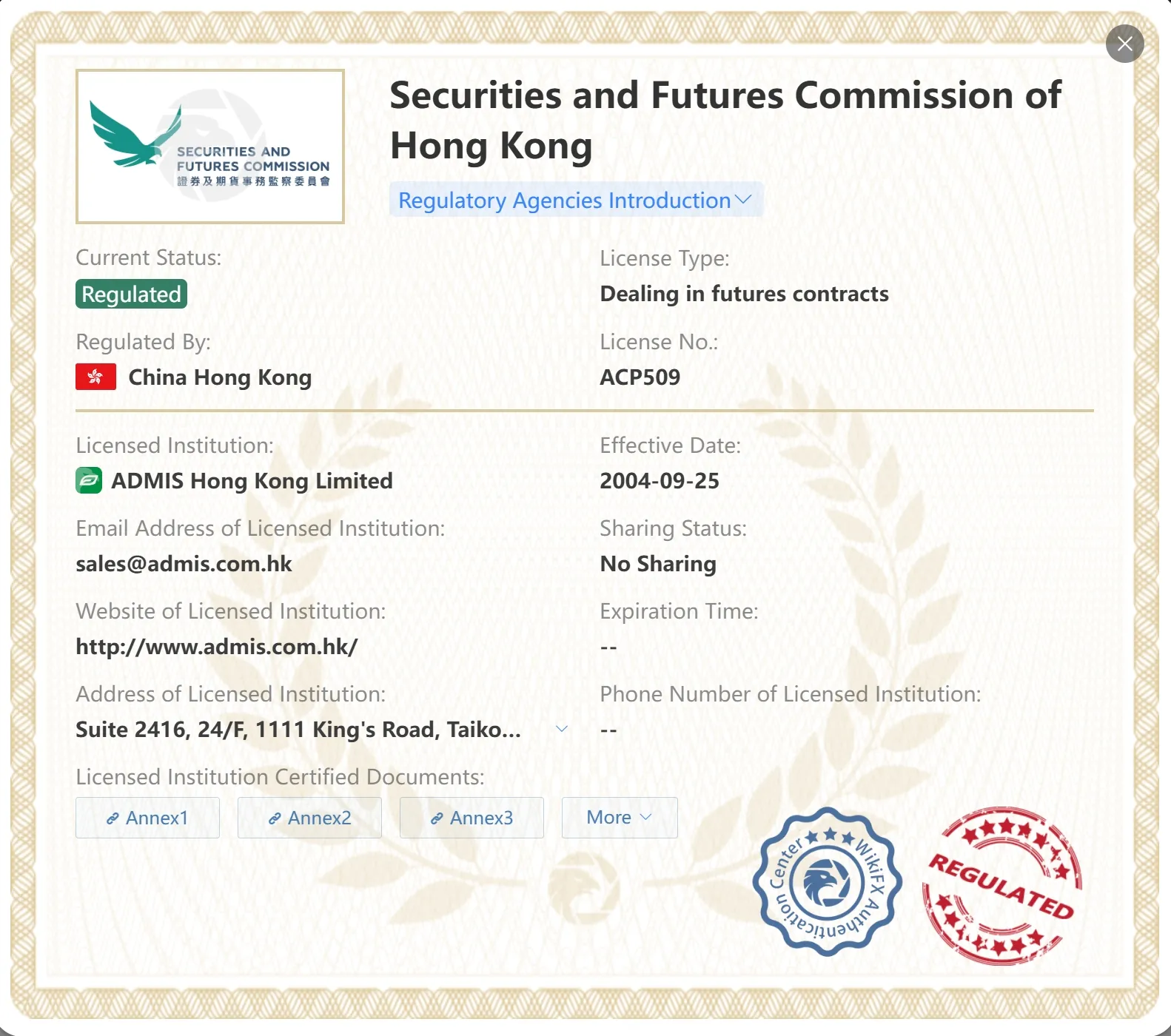
是的,亞達盟受到香港證券及期貨事務監察委員會(SFC)的監管。
| 監管國家 | 監管機構 | 當前狀態 | 受監管實體 | 許可證類型 | 許可證號碼 |
![]() | 香港證券及期貨事務監察委員會(SFC) | 受監管 | 亞達盟香港有限公司 | 從事期貨合約交易 | ACP509 |

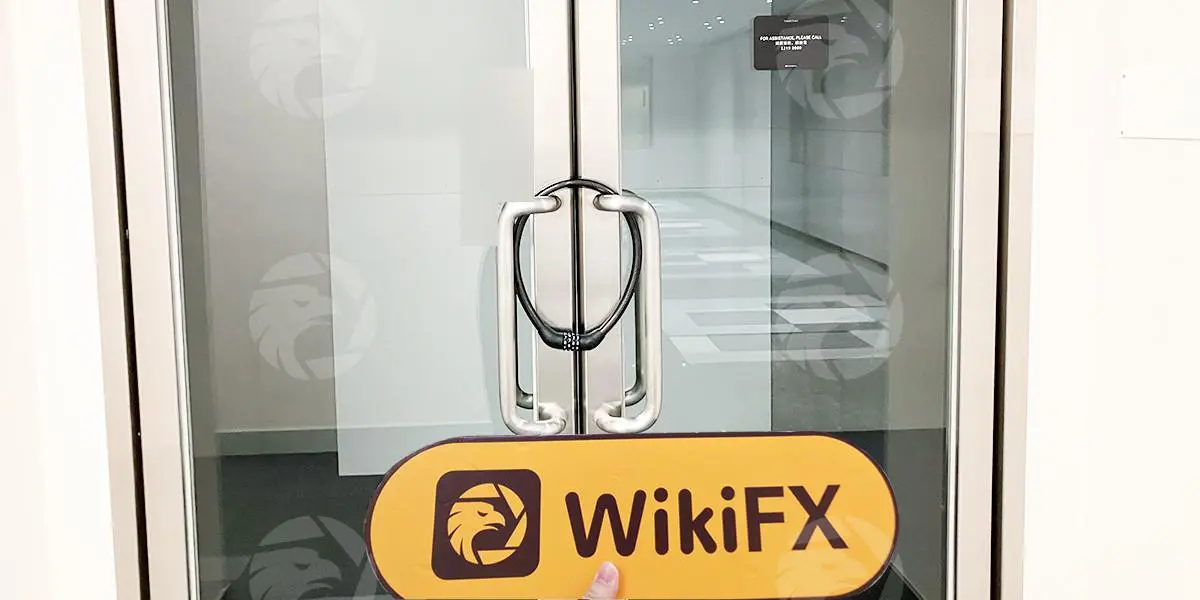
WikiFX實地調查
WikiFX實地調查團隊訪問了亞達盟在香港的監管地址,但並未找到其實體辦公室。
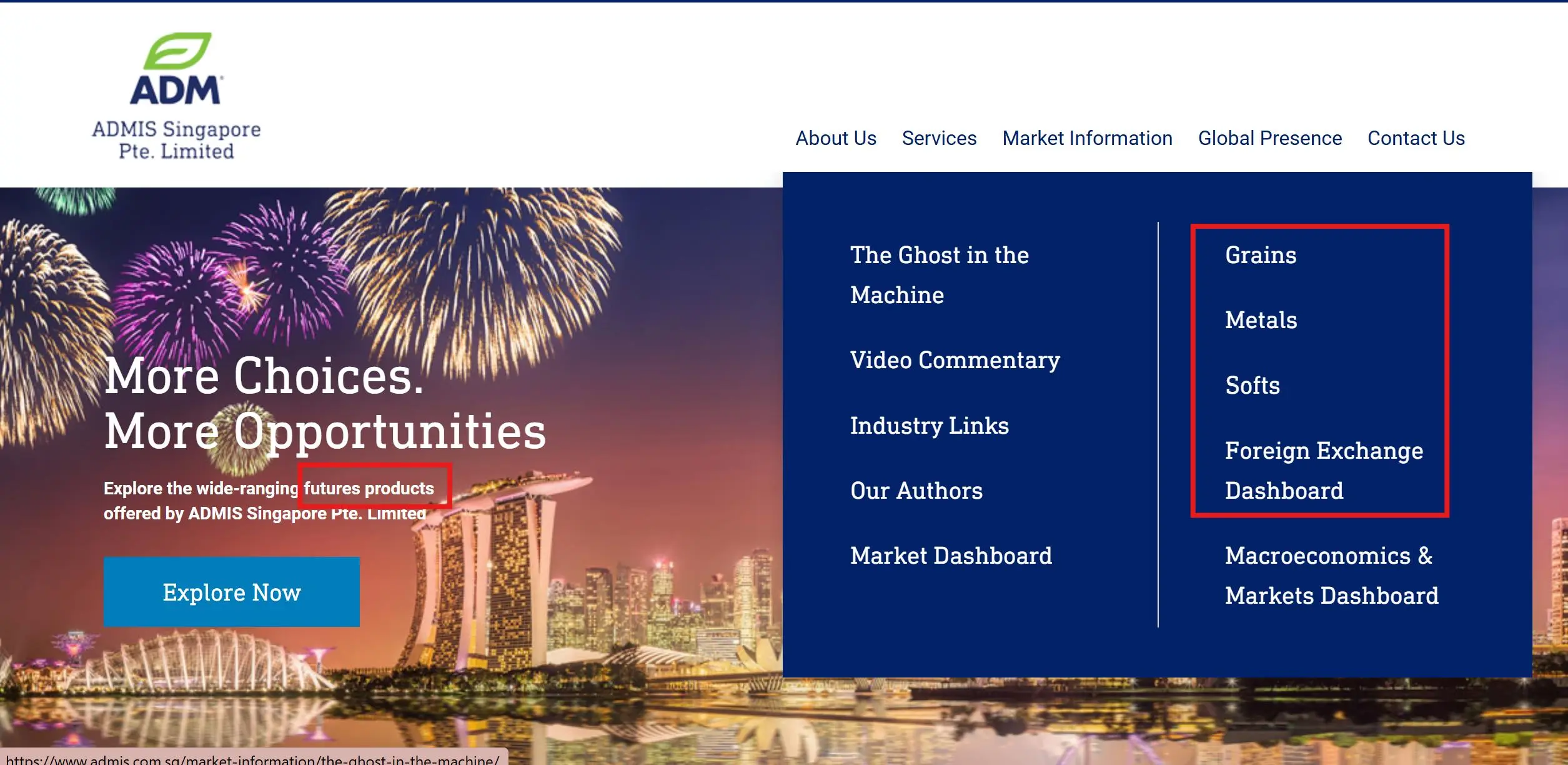
我可以在亞達盟上交易什麼?
亞達盟 提供多種期貨產品。此外,它還提供與穀物、金屬、軟商品和外匯相關的市場信息。
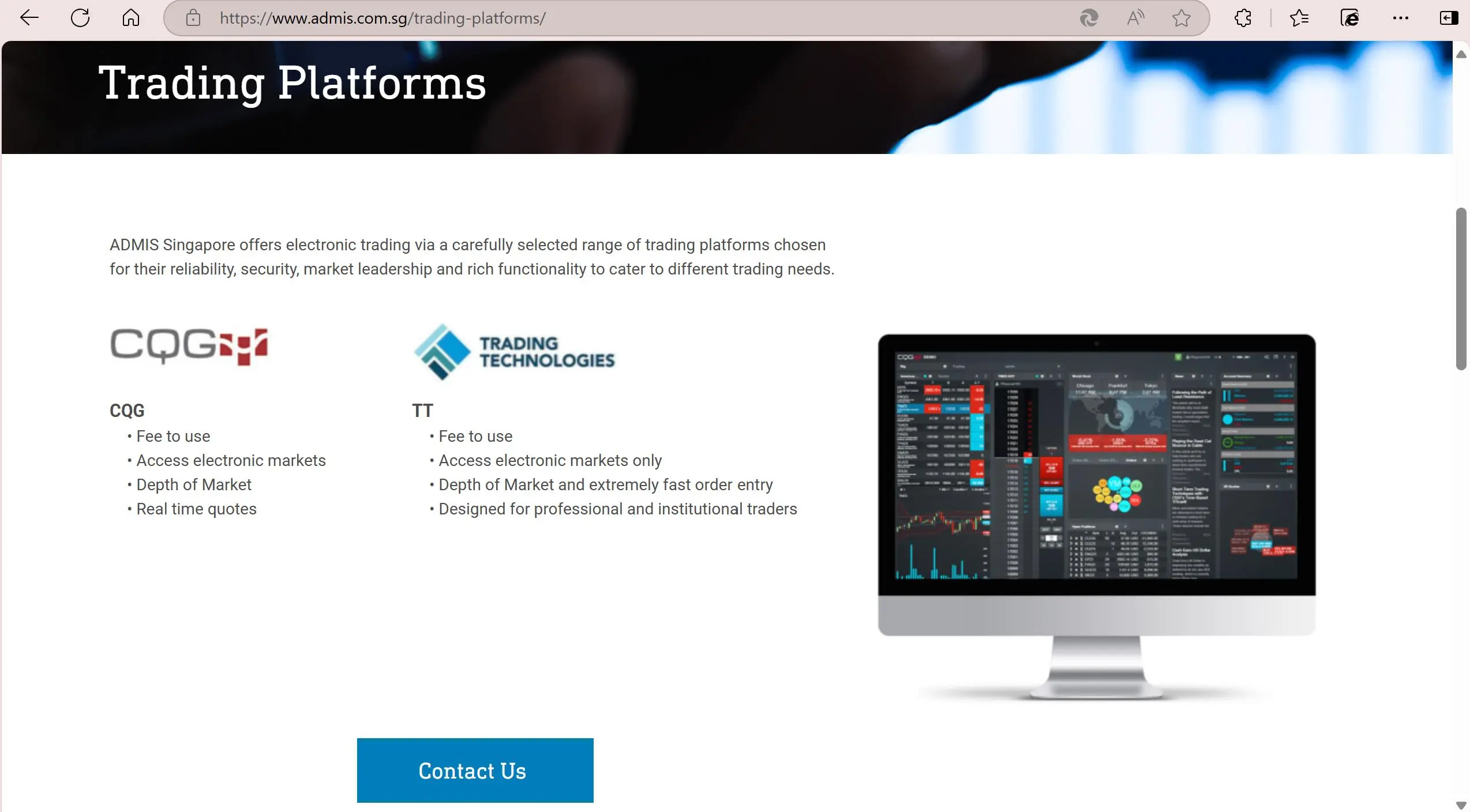
交易平台
亞達盟 使用CQG和Trading Technologies (TT)作為其交易平台,不支持MT4或MT5。
| 交易平台 | 支持 | 可用設備 | 適合對象 |
| CQG | ✔ | PC、網頁 | / |
| Trading Technologies | ✔ | PC、網頁 | / |
| MT4 | ❌ | / | 初學者 |
| MT5 | ❌ | / | 經驗豐富的交易者 |
企業畫像
- 20年以上
- 英國監管
- 香港監管
- 全牌照 (MM)
- 衍生品交易許可 (AGN)
- 高級風險隱患
資訊

曝光 最近許多人都在討論ADMIS亞達盟,這家經紀商好用嗎?監管情況、用戶評價、營運狀況一次看
許多外匯與差價合約券商主打低門檻、低資金就能參與,有些甚至提供高槓桿、0點差等條件吸引用戶加入,但其中也有不少非法吸金的詐騙平台,讓人防不勝防。因此,許多投資人在使用一家券商之前,都會透過外匯天眼查詢相關評價,最近我們注意到ADMIS亞達盟這平台討論度相當高,今天就讓我們一起了解其營運狀況。
Wiki問答
Can I trust ADMIS as a reliable and secure broker for trading?
Drawing on my own experience as a trader, evaluating whether ADMIS is trustworthy and secure requires a careful, measured approach. First, I look for regulatory oversight, and here, ADMIS is regulated by both the SFC in Hong Kong and the FCA in the UK. While this is generally positive, I notice WikiFX surveys did not find a physical office at their regulatory addresses, which makes me pause—transparency and traceability matter greatly for security. Another key point from my perspective is the distinct lack of essential trading details. ADMIS does not disclose crucial information like minimum deposit, leverage or fee structures, and offers no support for mainstream platforms like MT4 or MT5, instead using CQG and TT. For me, the absence of such baseline data means I can’t evaluate trading costs or risks thoroughly, and this ambiguity is a concern. User reviews are mixed. Some report fast withdrawals and good customer service, but there are also worrying “exposure” reports about issues with fund withdrawals and procedural hurdles that may indicate complications or delays—issues I personally weigh very seriously. Finally, I’m wary that despite their longevity, clear risk management practices were not evident. In summary, while ADMIS is technically regulated, my trust as an experienced trader would be reserved until clarity around operations, physical presence, and basic trading conditions is improved. Risk-averse traders should proceed with caution and consider the transparency gaps before committing significant funds.
What are the key advantages and disadvantages of choosing ADMIS for trading?
From my experience as a trader looking into ADMIS, there are distinct advantages and disadvantages worth considering carefully before making a commitment. What stands out most in ADMIS's favor is its long operational history—over twenty years—which often suggests a certain level of industry resilience. Being regulated in both the United Kingdom and Hong Kong by reputable authorities like the FCA and SFC provides an extra degree of reassurance around compliance, although I know that regulation is not a guarantee against all risk. ADMIS focuses on futures trading, particularly in commodities like grains, metals, and softs, and offers specialized trading platforms such as CQG and Trading Technologies. This is potentially attractive for advanced traders looking for specialized futures exposure. Additionally, some user reviews note quick deposit and withdrawal processing as well as responsive customer service, which can be significant for managing trading operations. However, I am cautious for several reasons. There are red flags regarding the lack of a physical office in both Hong Kong and the UK, as found in on-site verifications. This absence undermines trust for me, given that physical presence still often reflects a broker’s operational legitimacy. There is also a worrying lack of clear information about fee structures, minimum deposit amounts, and payment methods. For me, transparency on costs and funding is a non-negotiable requirement. Furthermore, ADMIS does not support MetaTrader 4 or 5—platforms many traders are comfortable with—which could be a real hurdle if you value flexibility or are accustomed to those platforms. There have also been mixed user experiences, including complaints about withdrawal delays and customer support inconsistencies. Because capital safety is paramount, any unresolved reports about withdrawal issues demand extra caution, regardless of positive feedback elsewhere. In short, while ADMIS may suit experienced futures traders comfortable with CQG or TT platforms, the opaque details and uncertainty around its physical operations are significant disadvantages that keep me very conservative about recommending it for most traders.
Are there any inactivity fees imposed by ADMIS, and if so, under what circumstances do they apply?
Based on my detailed review of the available information, ADMIS does not provide clear or transparent details regarding its fee structure, including whether inactivity fees are imposed or under what conditions they might apply. As an experienced trader, I find this lack of clarity concerning—especially since fee transparency is crucial for risk management and cost assessment. In my own approach, I always prioritize brokers who openly disclose all account charges, as even a seemingly small inactivity fee can unexpectedly erode capital over time, particularly for those who trade less frequently. The absence of concrete information about account maintenance or inactivity fees at ADMIS makes it difficult for me to fully evaluate the ongoing costs of maintaining an account with them. In my opinion, whenever key details like these are unclear, it’s prudent for traders to proceed with caution and, if seriously considering the broker, to contact their support directly for written confirmation before opening or funding an account. For me, full fee transparency is a basic requirement for trustworthiness in any broker, and the current ambiguity around ADMIS’s inactivity fee policy is a significant consideration in my risk evaluation.
Is ADMIS overseen by any regulatory bodies, and if so, which financial authorities are responsible?
As an experienced trader evaluating ADMIS, I always prioritize regulatory oversight before considering any broker. In my research, I found that ADMIS is indeed overseen by recognized financial authorities. The broker is regulated by the Securities and Futures Commission (SFC) in Hong Kong, specifically under a license for dealing in futures contracts. This type of regulation can provide a degree of client protection and suggests some level of operational scrutiny from the authorities involved. Additionally, ADMIS is linked to operations in the United Kingdom and is regulated there by the Financial Conduct Authority (FCA) as a market maker. From my perspective, dual regulation from well-known bodies like the SFC and FCA does give me some reassurance regarding transparency and oversight. However, it is important to recognize that field investigations reported on WikiFX did not find a physical office at their official UK and Hong Kong addresses, which raises some cautionary flags for me. In the end, while regulatory licenses exist and can signal legitimacy, I personally would not base my entire trust in regulation alone, especially when transparency issues or operational oddities appear. For me, careful due diligence—beyond verifying licenses—is always essential.
用戶反饋2
評價 2