

عالمی بروکر ریگولیشن چیک کرنے والا ایپ
WikiFX
اردو
简体中文
繁體中文
English
Pусский
日本語
ภาษาไทย
Tiếng Việt
Bahasa Indonesia
Español
हिन्दी
Filippiiniläinen
Français
Deutsch
Português
Türkçe
한국어
العربية
اردو


How Could the FOMC Shape the Market’s Next Move?


خلاصہ:[Figure 1: Probability of a September U.S. Rate Hike | Source: CME]FOMC Decision Day: The Markets Most Closely Watched EventThe FOMC is set to announce its latest policy decision at 2:00 p.m. ET on Se
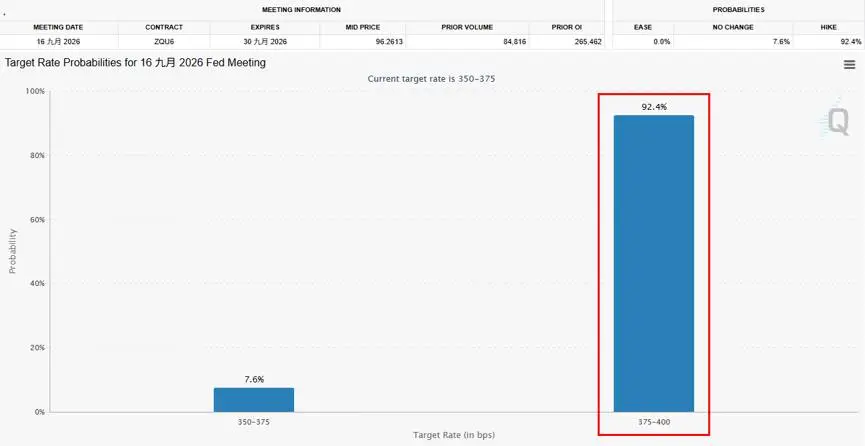
[Figure 1: Probability of a September U.S. Rate Hike | Source: CME]FOMC Decision Day: The Markets Most Closely Watched Event
The FOMC is set to announce its latest policy decision at 2:00 p.m. ET on September 16. As shown in Figure 1, the latest market-implied probability of a rate hike has surged to an extraordinary 92.4%. At this level, markets have likely already priced in much of the potential impact of a rate increase this month.
That means the rate decision itself may no longer be the biggest catalyst. Instead, investors will be paying particularly close attention to the updated Fed dot plot and comments from Federal Reserve Chair Kevin Warsh. Together, these will provide some of the clearest signals on the future path of interest rates and could become the primary sources of market volatility following the meeting.
How Does the FOMC Vote?
The Federal Open Market Committee consists of members of the Federal Reserve Board of Governors and presidents of the 12 regional Federal Reserve Banks.
At each meeting, monetary policy decisions are voted on by the seven members of the Board of Governors, the president of the Federal Reserve Bank of New York, and four of the remaining 11 regional Federal Reserve Bank presidents, who serve as voting members on a rotating basis.
While the policy decision itself can have an immediate impact on financial markets, the post-meeting press conference is equally important. The Feds assessment of employment, inflation, and interest rates provides investors with some of the most direct insight into how policymakers view the economy and the likely direction of monetary policy.
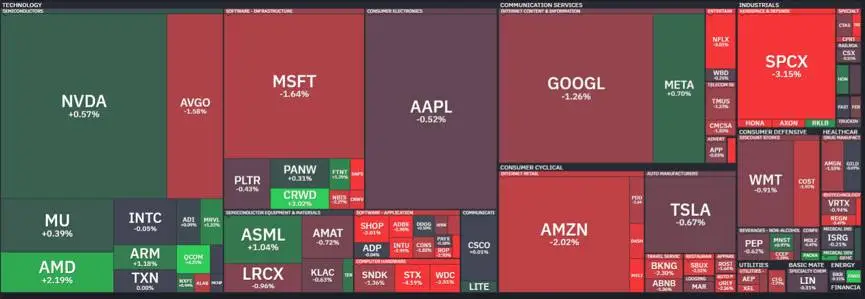
[Figure 2: Nasdaq-100 | Source: Finviz]How Could the Feds Message Affect U.S. Equities?
As Figure 2 shows, U.S. equities appear to have already begun pricing in the possibility of a rate hike, with major stocks and indexes generally declining by around 0.5% to 3%.
Whether the market experiences a deeper selloff, however, will likely depend on the Feds messaging after the FOMC meeting.
If the projected number of rate hikes and the dot plot are more hawkish than expected, equities could face further downside pressure. A sustained repricing of the interest-rate outlook could weigh on valuations and keep the broader stock market under pressure for an extended period.
If the Fed strikes a more measured or less hawkish tone, markets could remain range-bound or even move higher, potentially allowing investors to look beyond the immediate impact of the anticipated rate hike.
Capital flows are also becoming increasingly divided.
More conservative investors may favor U.S. Treasuries as yields remain elevated. At the other end of the spectrum, risk capital continues to show interest in AI and technology stocks. With the practical applications of artificial intelligence becoming increasingly visible, investor interest in AI, AGI, and related themes remains strong.
By contrast, interest-rate-sensitive sectors such as real estate are facing greater pressure from elevated borrowing costs.
As we discussed in recent days, markets are currently caught between the prospect of near-term rate hikes and concerns surrounding the broader U.S. fiscal deficit. As expectations on either side of this equation evolve, capital could continue rotating between asset classes.
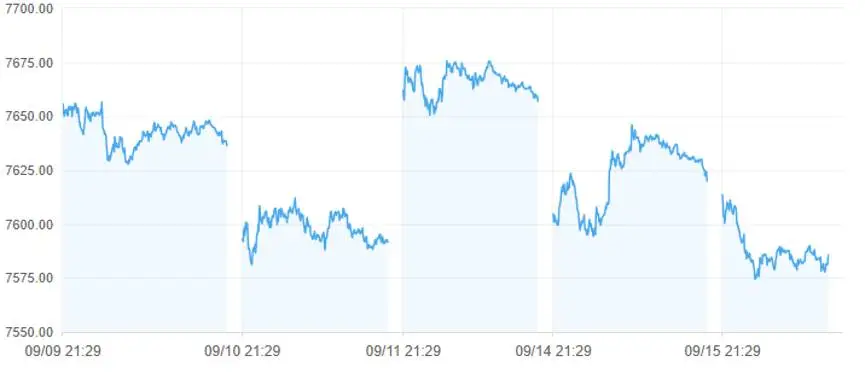
[Figure 3: S&P 500 | Source: WantGoo]A Rate Hike Is Largely Priced In. What Comes Next?
Overall, with the market-implied probability of a rate hike now at 92.4%, we believe a rate increase is largely priced in. Barring a low-probability surprise, the rate decision itself is unlikely to deviate from current market expectations.
Financial markets could remain under pressure in the near term. However, the medium- to long-term outlook will depend much more heavily on the Feds guidance during the post-meeting press conference and on how policymakers frame the path of interest rates going forward.
Over a longer horizon, incoming inflation data will continue to shape expectations and could alter the trajectory of monetary policy.
Based on the information currently available, the rate-cutting cycle appears to have been interrupted. Markets may now be entering a new phase in which the policy debate shifts away from further easing and toward the possibility of renewed monetary tightening.
Risk Disclosure
The views, analysis, research, prices, and other information provided above are intended solely as general market commentary and do not represent the official position of this platform. All readers should independently assess the risks involved and exercise caution when making trading or investment decisions.
ڈس کلیمر:
یہ مضمون صرف مصنف کی ذاتی رائے پر مبنی ہے، یہ پلیٹ فارم کی سرمایہ کاری کی مشورہ نہیں ہے۔ پلیٹ فارم مضمون کی معلومات کی درستگی، مکملیت اور بروقت ہونے کی کوئی ضمانت نہیں دیتا، اور مضمون کی معلومات پر اعتماد یا استعمال سے ہونے والے کسی بھی نقصان کی ذمہ داری قبول نہیں کرتا۔
