

عالمی بروکر ریگولیشن چیک کرنے والا ایپ
WikiFX
اردو
简体中文
繁體中文
English
Pусский
日本語
ภาษาไทย
Tiếng Việt
Bahasa Indonesia
Español
हिन्दी
Filippiiniläinen
Français
Deutsch
Português
Türkçe
한국어
العربية
اردو


Conflicting U.S.-Iran Negotiation Signals Keep Oil Markets on Edge


خلاصہ:[Chart 1: U.S. and Iran Illustration]Following a temporary pause in military exchanges, the United States and Iran have delivered sharply conflicting messages regarding diplomatic negotiations.Preside
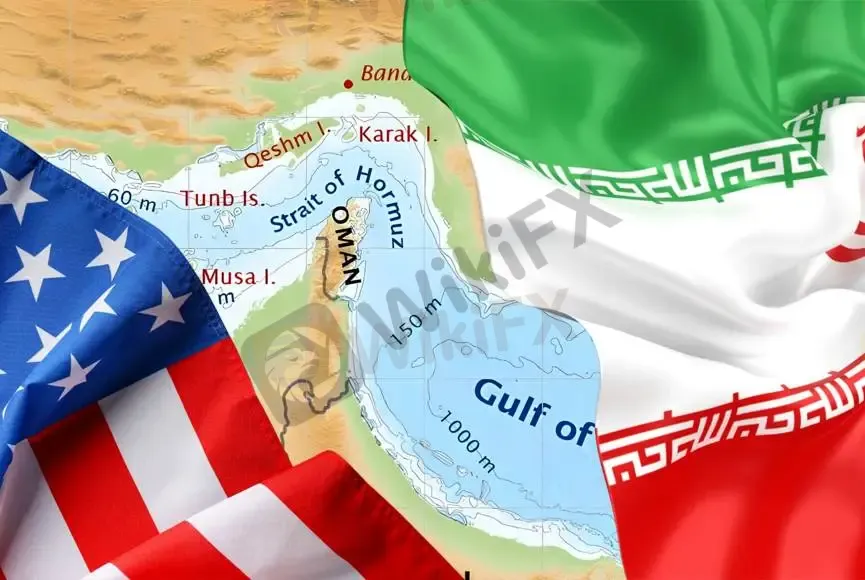
[Chart 1: U.S. and Iran Illustration]
Following a temporary pause in military exchanges, the United States and Iran have delivered sharply conflicting messages regarding diplomatic negotiations.
President Donald Trump stated that the suspension of military strikes was intended to provide “one more opportunity” for negotiations, expressing optimism that talks could produce meaningful results. However, he warned that if diplomacy fails, military action could resume on a larger scale. Trump added that the two sides are engaged in “very substantive negotiations” and emphasized that he is in no rush, saying time is on his side. His comments briefly lifted market sentiment, pushing the S&P 500 into positive territory.
Iran, however, firmly denied that any direct negotiations with Washington are taking place, insisting that the United States cannot dictate when conflict begins or ends. According to U.S. media reports, mediation efforts are focused on reopening the Strait of Hormuz to commercial shipping and reviving a comprehensive nuclear agreement, with negotiators reportedly making incremental progress.
Israeli Prime Minister Benjamin Netanyahu has departed for Washington, where discussions are expected to center on Iran. Trump acknowledged that he and Netanyahu have “some differences” on the issue and confirmed he will also meet separately with Ukrainian President Volodymyr Zelenskyy.
Iranian officials described recent talks with Oman regarding maritime operations in the Strait of Hormuz as “constructive” and said some progress had been achieved. Meanwhile, reports indicate divisions within the U.S. administration over expanding military operations due to concerns about dwindling air defense interceptor inventories.
At the same time, Saudi Aramco's critical Abqaiq oil processing facility was reportedly struck by drones and caught fire, raising renewed concerns over global crude supply disruptions and increased volatility in energy markets.
On the economic front, U.S. core capital goods orders exceeded expectations, rising 0.9% in June, while shipments surged 1.9%, highlighting continued strength in business investment driven by robust AI-related spending during the first half of the year.
Labor market signals remain mixed. While unemployment remains low and initial jobless claims continue to hover near historic lows, wage growth has moderated. Analysts believe the slowdown is largely attributable to structural weakness in private education and healthcare payrolls. Excluding those sectors, wage growth remains relatively resilient, reinforcing the Federal Reserve's case for maintaining higher interest rates.
Meanwhile, Federal Reserve Governor Christopher Waller is increasingly confronting what some economists describe as the “Greenspan dilemma,” namely whether additional rate hikes could ultimately lower long-term Treasury yields. Although another rate increase is not considered the base-case scenario this week, market expectations for tighter monetary policy have continued to build.
Separately, the Trump administration is expected to finalize a voluntary regulatory framework for artificial intelligence. A draft proposal has already been distributed to OpenAI, Anthropic, and Google. OpenAI CEO Sam Altman is scheduled to visit Washington this week to demonstrate the company's latest AI models and address ongoing debates surrounding open-source AI and model safety.
Overall, the inconsistent messaging surrounding U.S.-Iran negotiations underscores the continued lack of mutual trust. While the temporary ceasefire has created diplomatic breathing room, implementation risks remain elevated. Developments involving the Strait of Hormuz and the reported attack on Saudi energy infrastructure are likely to remain the primary drivers of oil price volatility.
At the same time, resilient U.S. economic data suggest that AI-related investment continues to support economic growth, while a relatively tight labor market provides additional justification for the Federal Reserve to keep interest rates higher for longer.
In the near term, geopolitical risk premiums and progress in diplomatic negotiations will continue to shape both energy and financial markets. Over the longer term, sustainable global economic stability will likely depend on a credible U.S.-Iran agreement, secure navigation through the Strait of Hormuz, and the successful implementation of an effective AI regulatory framework. Until then, diplomacy and military deterrence are expected to coexist, requiring investors to remain vigilant as the situation evolves.
Risk Disclaimer
The opinions, analyses, research, price quotations, and other information provided above are intended solely as general market commentary and do not constitute investment advice or represent the official views of this platform. All investors are solely responsible for their own investment decisions and assume all associated risks. Please trade prudently.
ڈس کلیمر:
یہ مضمون صرف مصنف کی ذاتی رائے پر مبنی ہے، یہ پلیٹ فارم کی سرمایہ کاری کی مشورہ نہیں ہے۔ پلیٹ فارم مضمون کی معلومات کی درستگی، مکملیت اور بروقت ہونے کی کوئی ضمانت نہیں دیتا، اور مضمون کی معلومات پر اعتماد یا استعمال سے ہونے والے کسی بھی نقصان کی ذمہ داری قبول نہیں کرتا۔
WIKIFX بروکر
ہاٹ نیوز
GBP/USD میں 1.3500 کے اوپر مضبوطی، UK کی بہتر معاشی رپورٹ سے Pound کو سہارا
 WikiFX
پاکستان میں جولائی 2026 کے دوران زرعی درآمدات میں اہم تبدیلیاں
WikiFX