

عالمی بروکر ریگولیشن چیک کرنے والا ایپ
WikiFX
اردو
简体中文
繁體中文
English
Pусский
日本語
ภาษาไทย
Tiếng Việt
Bahasa Indonesia
Español
हिन्दी
Filippiiniläinen
Français
Deutsch
Português
Türkçe
한국어
العربية
اردو


Fed Holds Rates Steady as Monetary Policy and Geopolitical Signals Intersect


خلاصہ۔:[Chart 1: Federal Reserve Chair Waller]At its June policy meeting, the Federal Reserve, led by Chair Christopher Waller in his first FOMC meeting as chairman, left interest rates unchanged. Notably, t
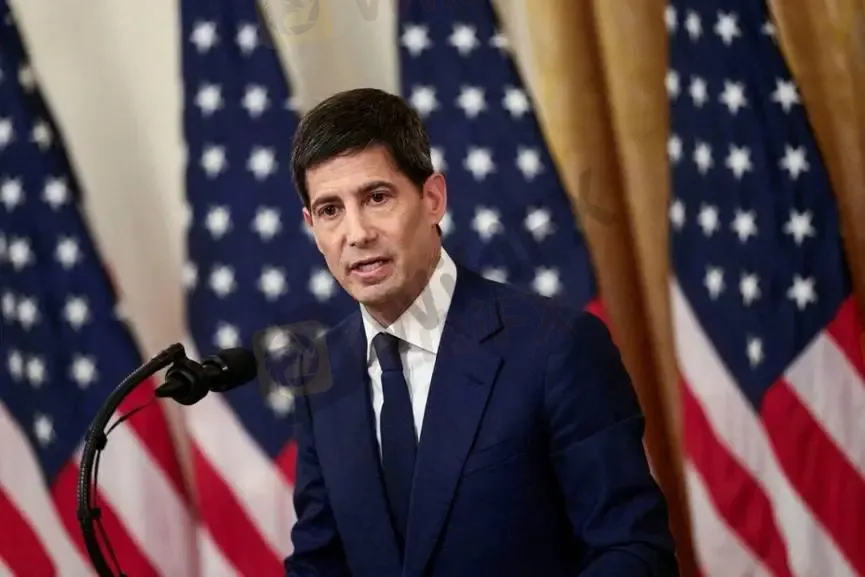
[Chart 1: Federal Reserve Chair Waller]
At its June policy meeting, the Federal Reserve, led by Chair Christopher Waller in his first FOMC meeting as chairman, left interest rates unchanged. Notably, this marked the first unanimous vote from the Federal Open Market Committee in nine months.
The updated dot plot revealed that 9 out of 18 officials expect at least one rate hike this year, with 6 projecting two or more hikes. Waller himself did not submit an individual forecast, fueling speculation that the Fed's dot plot framework could eventually be phased out.
The policy statement removed previous forward guidance on rates and instead emphasized the Fed's commitment to restoring price stability and maintaining its 2% inflation target. In addition, five special working groups were established to review the central bank's $6.7 trillion balance sheet.
Waller stressed that policymakers remain united and clear in their policy stance, adding that future communications would become more streamlined and transparent.
Market Reaction
Financial markets responded aggressively to the hawkish shift. Traders are now fully pricing in at least one rate hike before October and two cumulative hikes by the first quarter of next year.
The yield on the 2-year U.S. Treasury note surged 14 basis points to 4.20%, while the U.S. Dollar Index jumped 0.87%.
Although Waller has historically been viewed as relatively dovish, persistent inflation, elevated energy prices, and tariff-related pressures have collectively pushed the broader committee toward a more hawkish stance.
Former President Donald Trump reacted with unusual restraint, stating that the Fed's decision to remain on hold was “fine,” while acknowledging that further rate hikes were “hard to believe, but possible.” Trump also expressed confidence in Waller's judgment, helping ease concerns about potential tensions between the White House and the Federal Reserve.
U.S.-Iran Memorandum Nears Completion, Though Key Differences Remain
Meanwhile, negotiations surrounding a U.S.-Iran ceasefire memorandum have entered the final stage.
Trump announced that the agreement is “complete,” with both sides scheduled to formally sign a 14-point memorandum in Switzerland on June 19.
Key provisions reportedly include:
Immediate removal of sanctions on Iranian crude oil exports upon signing.
A U.S. commitment to fully lift maritime restrictions within 30 days.
Rapid reopening of the Strait of Hormuz.
Preservation of Iran's current nuclear program status.
Creation of a reconstruction financing mechanism worth at least $300 billion, funded primarily by private investors and regional partners rather than direct U.S. government contributions.
Iran's Foreign Ministry confirmed that the text has been finalized, with nuclear negotiations and sanctions relief expected to begin within 60 days.
Trump emphasized that the memorandum does not constitute a final peace treaty and warned that military action could resume immediately if Iran fails to comply.
However, Iranian officials indicated that while vessels may enjoy a 60-day toll-free transit period through the Strait of Hormuz, charges could be imposed afterward, creating a discrepancy with Washington's characterization of permanent free passage.
Overall Analysis
The Federal Reserve's June meeting reinforced the market's growing belief in a “higher-for-longer” interest-rate environment, as upside inflation risks continue to dominate the policy outlook.
At the same time, the impending signing of the U.S.-Iran memorandum has introduced a significant easing factor for global energy markets. The reopening of the Strait of Hormuz could alleviate supply constraints, potentially driving oil prices lower and moderating inflation expectations, thereby creating additional flexibility for future Fed policy adjustments.
Nevertheless, substantial implementation risks remain.
Disagreements over transit fees, future nuclear negotiations, Israel's position, and the operational details of reconstruction funding could all complicate execution. Major institutions, including JPMorgan, have warned that the probability of delays or setbacks remains elevated.
In the near term, falling oil prices and improving risk sentiment may provide support for equities. However, the Fed's hawkish dot plot and ongoing geopolitical uncertainties are likely to continue generating market volatility.
From a longer-term perspective, lasting stability in both the Middle East and the broader global macroeconomic environment will require meaningful progress in nuclear negotiations and the establishment of reliable, uninterrupted transit through the Strait of Hormuz.
For now, cautious monetary policy and emerging diplomatic optimism coexist. Investors should closely monitor the June 19 signing ceremony and the pace at which energy supplies are restored thereafter.
ڈس کلیمر:
یہ مضمون صرف مصنف کی ذاتی رائے پر مبنی ہے، یہ پلیٹ فارم کی سرمایہ کاری کی مشورہ نہیں ہے۔ پلیٹ فارم مضمون کی معلومات کی درستگی، مکملیت اور بروقت ہونے کی کوئی ضمانت نہیں دیتا، اور مضمون کی معلومات پر اعتماد یا استعمال سے ہونے والے کسی بھی نقصان کی ذمہ داری قبول نہیں کرتا۔
